


 (425) 402-7878
 ASE-Certified Auto Mechanics
 2-year/ 24,000-mile Warranty
 Dealership-Level Equipment
 Free Loaner Cars Available
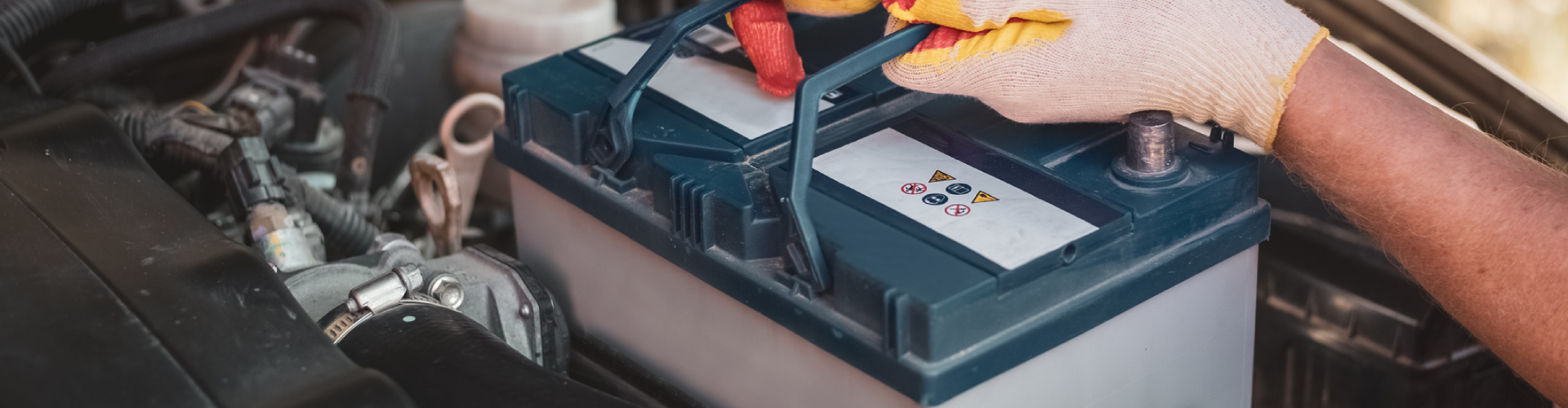
It started fine on Tuesday. Thursday morning, nothing but a click and a dashboard lighting up like a slot machine. That is how BMW batteries usually go, because the power management software hides the decline until the car crosses a voltage threshold and gives up all at once. Under the trunk floor or the rear seat sits an AGM battery the charging system has profiled for years, and swapping it without telling the car ruins a good one inside a year. We have been registering BMW batteries in Woodinville since 2004.
Quick Takeaways
- Registration is not optional: Every BMW built since roughly 2002 stores a charging profile, and a new battery must be coded to the DME or the alternator overcharges it.
- Expect four to six years: An unregistered replacement often dies in twelve to eighteen months instead.
- AGM and lithium do not swap: Most F and G chassis cars take AGM; some M models run lithium-ion, on a different charging protocol entirely.
- Stop-start quitting is a warning: The car disables auto start-stop when the IBS reports a weak state of health.
- BMWs skip the slow crank: They start perfectly right up until the morning they do not.
Our Professional BMW Battery Service Process
We don’t just swap parts; we manage your BMW’s entire power ecosystem to ensure long-term reliability.
The Intelligent Battery Sensor Decides What the Car Believes
The IBS clamps onto the negative terminal and reports current, voltage and temperature to the power management system in real time. Then it fails. The car flies blind. You get phantom drains, comfort features shutting themselves off, iDrive rebooting on a cold morning, and a perfectly good battery blamed for all of it because the sensor feeding the data went bad. So we scan the sensor before condemning anything. A failed IBS is cheap next to a wrong diagnosis.
AGM and Lithium Batteries Are Not Interchangeable
Fitment is by chassis, not by group size at the parts counter. Most modern BMWs run AGM, which handles deep cycling and the constant module draw far better than flooded lead-acid, and dropping a conventional battery into an AGM system throws charging faults almost immediately. Some M models use lithium-ion to save weight. Different protocol entirely. Put the wrong chemistry in either direction and the car will tell you, loudly, in the fault memory.
Stop-Start That Stops Working Is the Car Talking
When auto start-stop quietly stops engaging, the battery is usually the reason. BMW disables the feature when the IBS reports a state of charge or state of health below the threshold the software needs, because a weak battery cannot restart the engine reliably at a light. Drivers often read that as a glitch. It is a measurement. And it tends to show up months before the no-start does, which makes it the cheapest warning your BMW will ever give you.
A Battery That Dies Overnight Points at a Parasitic Draw
If a new, registered battery still goes flat after two days parked, something is not going to sleep. We let the car bed down properly, then measure current draw at the terminal and pull modules one at a time until the number falls. Aftermarket alarms are frequent offenders. So are amplifiers, dash cams hard-wired to a constant feed, and door lock modules that keep waking the bus because a latch microswitch is worn. Chasing that takes patience, not parts.
Short-Trip Drivers Wear Batteries Out Faster
A ten-minute run to the store never replaces the charge the start consumed, and BMWs run enough modules that the deficit compounds over a wet winter. Kenmore and Bothell owners see this most. Their commutes down SR-522 are short enough that the alternator barely gets going before the key comes out, and by February the battery has spent months at a partial state of charge. We test rather than guess. Woodinville Sports Cars has worked on European cars at 12602 NE 178th Street since 2004, our technicians are ASE-certified, and every battery service carries a 2-year/24,000-mile warranty.
Frequently Asked Questions
How long should a BMW battery last?
Four to six years is typical. Short trips, long stretches parked, and a cold damp winter all shorten it. Past four years, have it load-tested before the weather turns rather than after it strands you.
Can I replace a BMW battery myself?
You can physically fit one. Registering it is the part that needs BMW-capable diagnostic software, and without that step you are stress-testing your alternator. Coding it afterward is still worth doing.
Why is my iDrive glitching or my seat heater cutting out?
Modern BMWs shed power from comfort systems first when voltage sags. The engine and brakes get protected. So flickering iDrive, dead Comfort Access or an intermittent heated seat often means the battery, not the module those symptoms point at.
What is the difference between AGM and lithium BMW batteries?
AGM is the standard on most modern BMWs. It tolerates heavy module load well. Lithium-ion appears on some M models purely for weight savings, and it uses a different charging protocol. Never substitute one for the other.
Schedule Your BMW Battery Replacement
Bring the car to 12602 NE 178th Street, Woodinville, WA 98072. We are open Monday through Friday, 8:00 AM to 5:00 PM, and closed weekends. Book online at woodinvillesportscars.com and mention how long the car sits between drives. That detail changes what we look for.