


 (425) 402-7878
 ASE-Certified Auto Mechanics
 2-year/ 24,000-mile Warranty
 Dealership-Level Equipment
 Free Loaner Cars Available
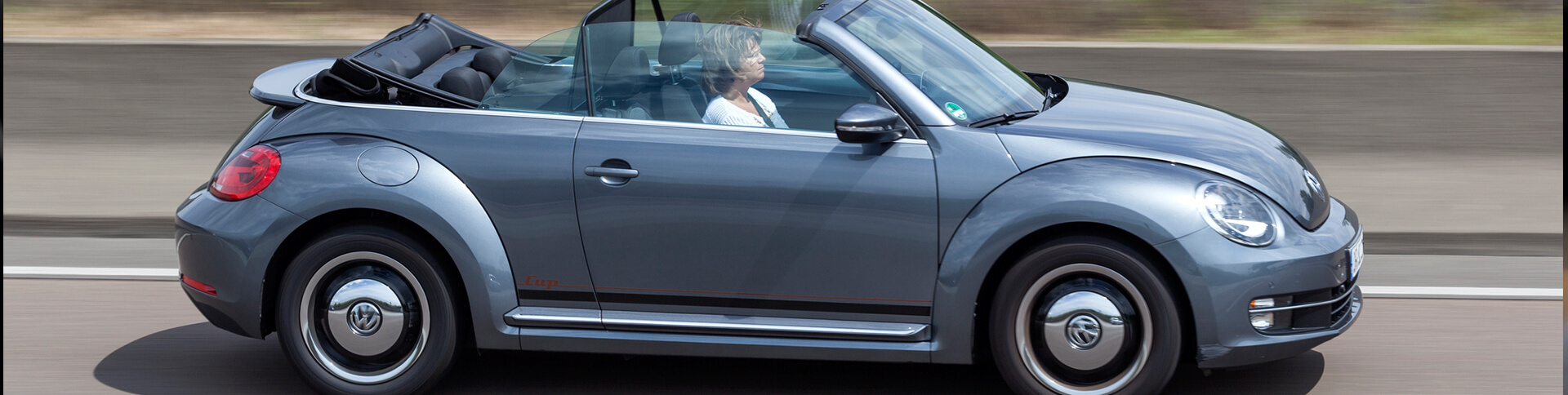
VW Service Without the Dealer Bill or the Guesswork
VW owners get squeezed from both sides. The cheap general shop swaps parts until the light goes off, and the dealer quotes a number that makes you wonder whether you should just keep driving with the rattle. Neither one is a plan. We have serviced European cars only since 2004, from a bay off NE 178th Street in Woodinville, and Volkswagens make up a steady share of what’s on the lifts on any given Tuesday. You get the diagnosis, the reasoning, and a price before anyone picks up a wrench.
Quick Summary: Key Takeaways
- The EA888 chain tensioner: Gen 1 and Gen 2 engines used a tensioner that can let go, and the cold-start rattle is your warning.
- VCDS, not a code reader: VW’s dealer-level software reads adaptation, coding and sub-faults a cheap scanner reduces to one vague code.
- Oil approval, not just weight: 502.00, 504.00 and 507.00 are different specs, and the OLI reminder has to be reset to match.
- The safety net: ASE-certified technicians, OEM or OEM-equivalent parts, free loaner cars, and a 2-year/24,000-mile warranty.
- Cars we see most: Golf GTI, Golf R, Jetta, Tiguan and Atlas, from Woodinville, Redmond, Bothell and Kenmore.

Our Services for Volkswagen
 A/C Service & Repair
 Battery Replacement
 Brake Service & Repair
 Check Engine Light Maintenance
 Clutch Repair
 Electrical Repairs
 Engine Repair
 Factory Scheduled Service
 Fluid Checks & Changes
 Mileage Specific Maintenance
 Oil Change Service
 Oil Leak Repairs
 Pre-Purchase Inspection
 Preventative Maintenance
 Scheduled Maintenance
 Suspension Repair
 Transmission Repair
 Tire Services
 Wheel Alignments
Direct Injection Builds Carbon, and Carbon Reads as a Misfire
A rough cold idle and a random misfire code on a direct-injection VW usually is not a bad coil. Because fuel sprays straight into the cylinder on FSI and TSI engines, nothing washes the back of the intake valves, so oil vapor bakes on until that cylinder breathes measurably worse than its neighbor. Power fades. Fuel trims drift. We scope the intake ports and read live data before anyone spends money. A check engine light can mean something as minor as a loose gas cap or a serious fault that reduces fuel economy, raises emissions and leads to costlier repairs later.
Water Pumps and Thermostat Housings Fail as One Plastic Assembly
On most modern VWs the water pump and thermostat share a single plastic housing, and that housing is the part that fails. It goes brittle with heat cycling, cracks at a seam, and drips coolant down the back of the block where you won't see it until the reservoir is low. Pink crust is the tell. Replacing the assembly and coolant together, instead of chasing one seal at a time, is the honest repair. Oil leaks are their own subject here, and we cover those separately.
DSG Trouble Is Either Fluid or Mechatronic, and the Difference Decides the Bill
Those two causes call for very different repairs. A wet-clutch DSG lives on clean fluid and a filter at the factory interval, and a gearbox well past that interval will hesitate, shudder off the line, or hold a gear far longer than it should. A mechatronic fault is a different animal: solenoid or pressure-sensor faults inside the control unit, stored as codes we can read rather than infer. Scan first. And how you drive counts. Aggressive driving lowers gas mileage by roughly 15%–30% at highway speeds and 10%–40% in stop-and-go traffic, and a Golf R doesn't need to be driven gently — but the clutch packs keep score.
VCDS and the Right Oil Approval Separate a Real VW Service From a Guess
A generic OBD reader tells you a cylinder misfired. VCDS tells you which module logged it, what the adaptation values are doing, whether the coding matches the options on your car, and what else the network saw at that moment. Same information the dealer sees. Oil is the other half: 502.00, 504.00 and 507.00 are approvals rather than viscosities, and running 502.00 in a car built around 504.00 is a mistake you pay for slowly. Using the manufacturer's recommended grade of motor oil improves gas mileage by 1%–2%. We reset the OLI reminder to the interval the car actually got.



Frequently Asked Questions
Where can I get a Volkswagen repaired near Woodinville, WA?
Woodinville Sports Cars on NE 178th Street has worked on European cars only since 2004. We run VCDS scanning, fit OEM or OEM-equivalent parts, and back repairs with a 2-year/24,000-mile warranty. Owners drive in from Redmond, Bothell and Kenmore.
What is the difference between VW 502.00, 504.00 and 507.00 oil?
They are factory approvals, not viscosity grades. 502.00 suits many older gas engines, 504.00 covers longer-interval gas applications, and 507.00 is the diesel approval. The wrong one shortens component life even when the viscosity looks right.
How often should DSG transmission fluid be changed?
Follow the factory interval for your gearbox, and treat fluid and filter as a single job. Wet-clutch units need it more than dry ones. Skipping it is the most common reason a healthy DSG starts shuddering.
Is VCDS better than a regular OBD2 scanner for a VW?
For anything past a basic code, yes. VCDS reaches every control module, reads adaptations and coding, and runs factory test routines a generic scanner cannot access. That is how a misfire gets traced to a cause.
Schedule Your Volkswagen Service
Tell us what it’s doing and when. Woodinville Sports Cars is at 12602 NE 178th Street, Woodinville, WA 98072, and the shop is open Monday through Friday, 8:00 a.m. to 5:00 p.m. Free loaner cars mean you aren’t stranded while we work, and nothing on the car gets touched until you have approved the estimate line by line. Book online.
Our Shop Blog
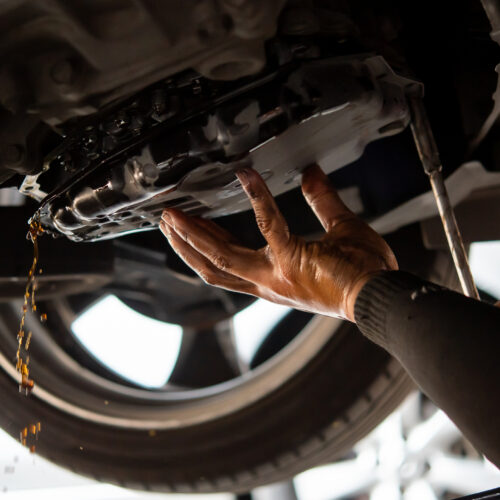
That “Lifetime” Transmission Fluid in Your BMW or Audi Has an Expiration Date
Pre-Purchase Inspections in Woodinville: What to Check on a Used BMW or Audi
Before You Drive the Cascade Loop This Summer, Check Your Brakes
European Car A/C Repair for Hot Summer Days in Woodinville

BMW Cooling System Inspection Before Summer in Woodinville
Mercedes-Benz Maintenance in Woodinville: What Your Vehicle Needs Each Season
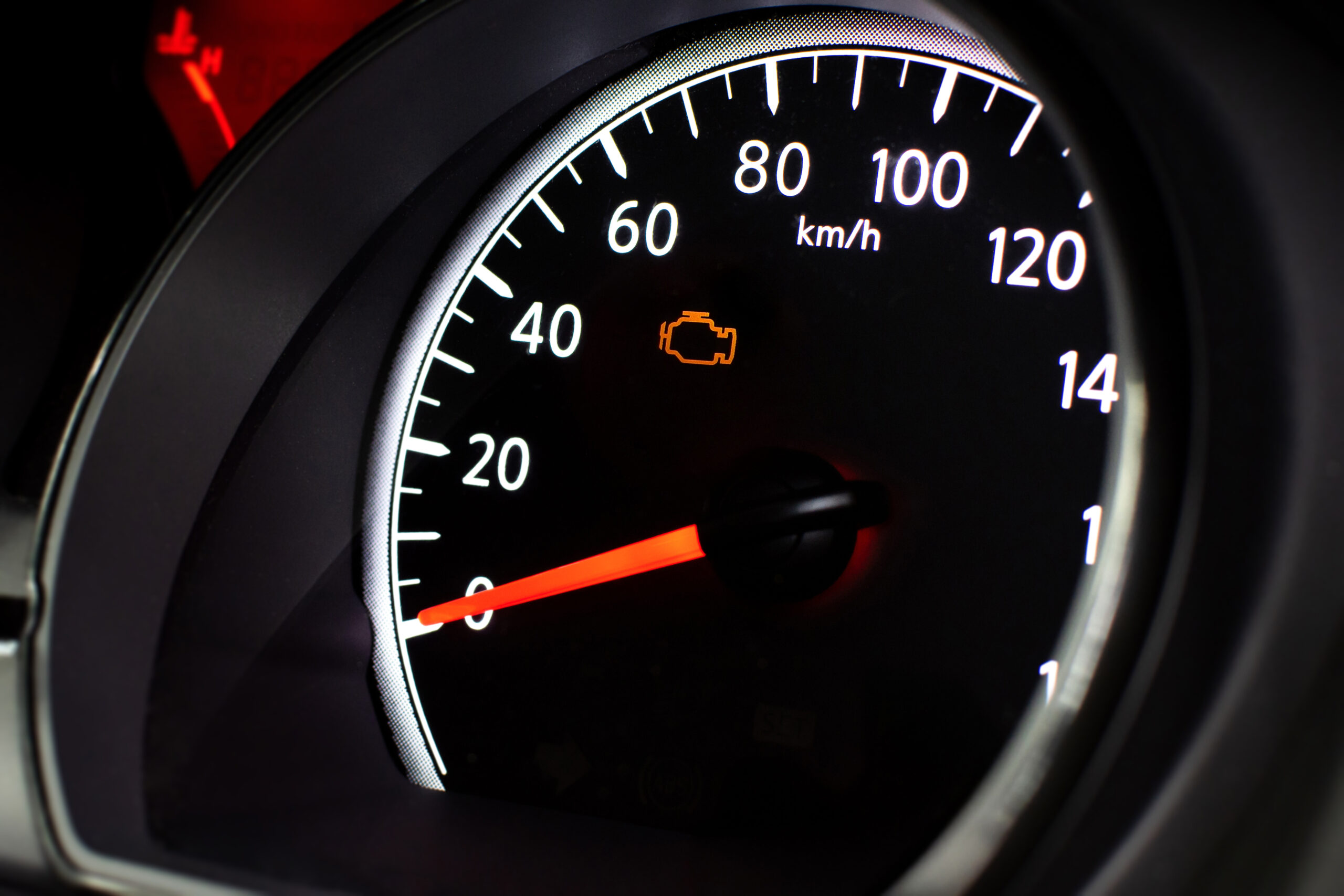
Your Audi’s Check Engine Light Is On in Woodinville — Here’s What It Actually Means
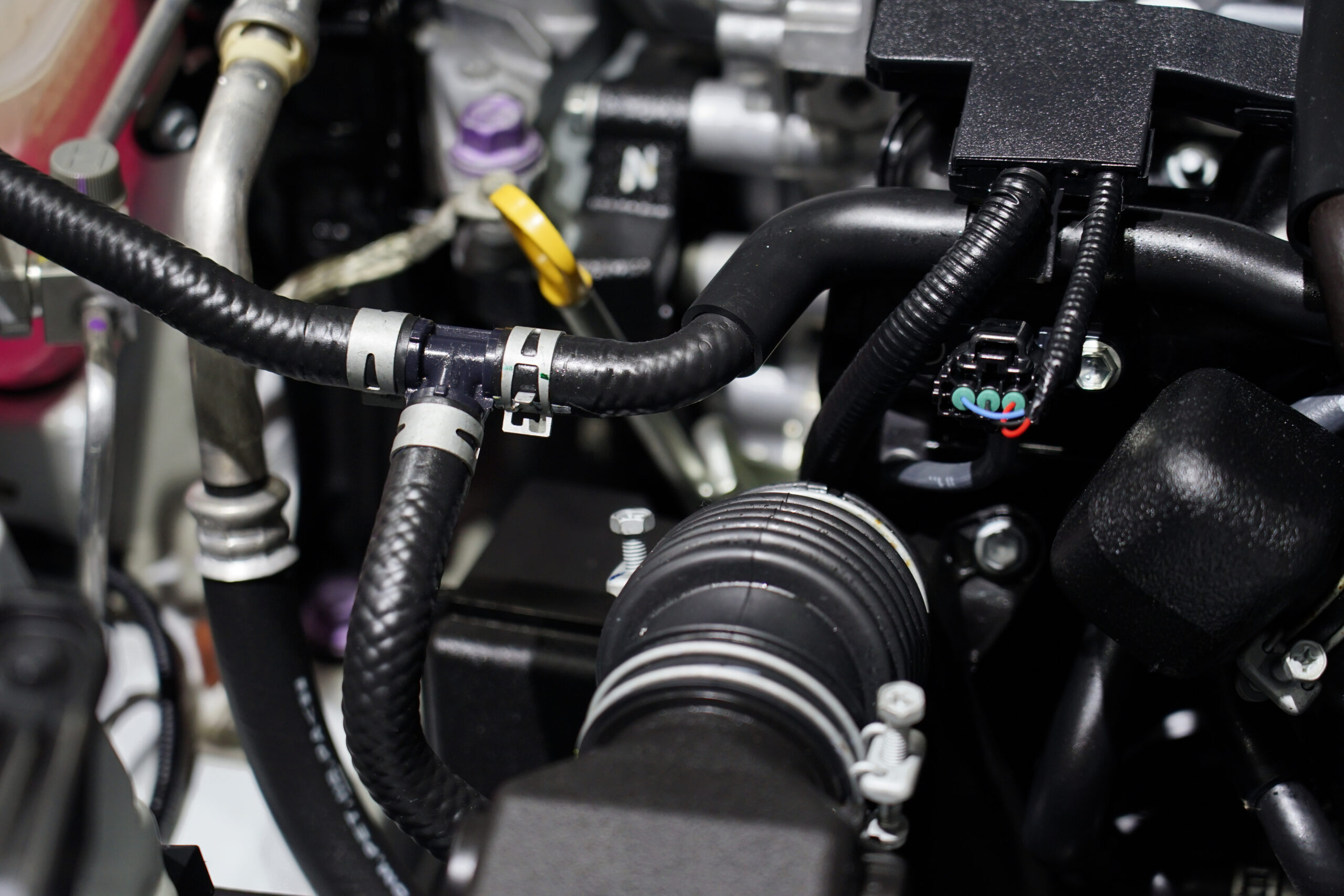
Reasons Behind Crankcase Ventilation Valve Malfunctions in BMW from Woodinville Experts

What Causes Rough Idling In Audi Vehicles?

Why Your Mini Cooper Feels Less Responsive: Tire Problems to Watch Out For

Is An Audi Pre-Purchase Inspection Worth It For Woodinville Drivers

Where to Go in Woodinville for Audi Digital Dashboard Repair
Leading Garage in Woodinville for Mini Head Gasket Replacement
Resolving Electrical Problems Caused by a Faulty Mercedes Alternator
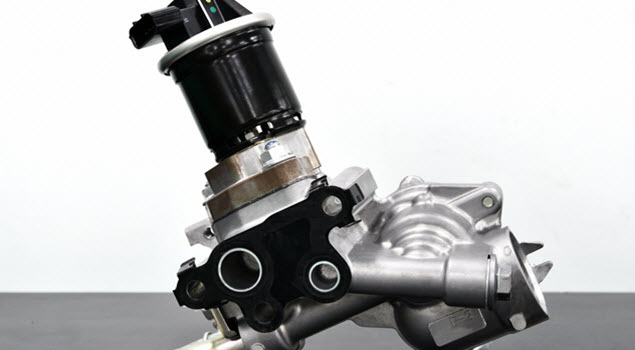
When to Replace Your Audi EGR Valve: Key Indicators

Avoid Engine Problems with Timely Volkswagen Ignition Coil Repair

What Causes Crank Seal Oil Leak Problems In Your Mini

Mini Radiator Expansion Tank Failure: Common Symptoms and How to Fix It

Prevent ABS Module Failure and Keep Your VW’s Braking System Safe
