


 (425) 402-7878
 ASE-Certified Auto Mechanics
 2-year/ 24,000-mile Warranty
 Dealership-Level Equipment
 Free Loaner Cars Available
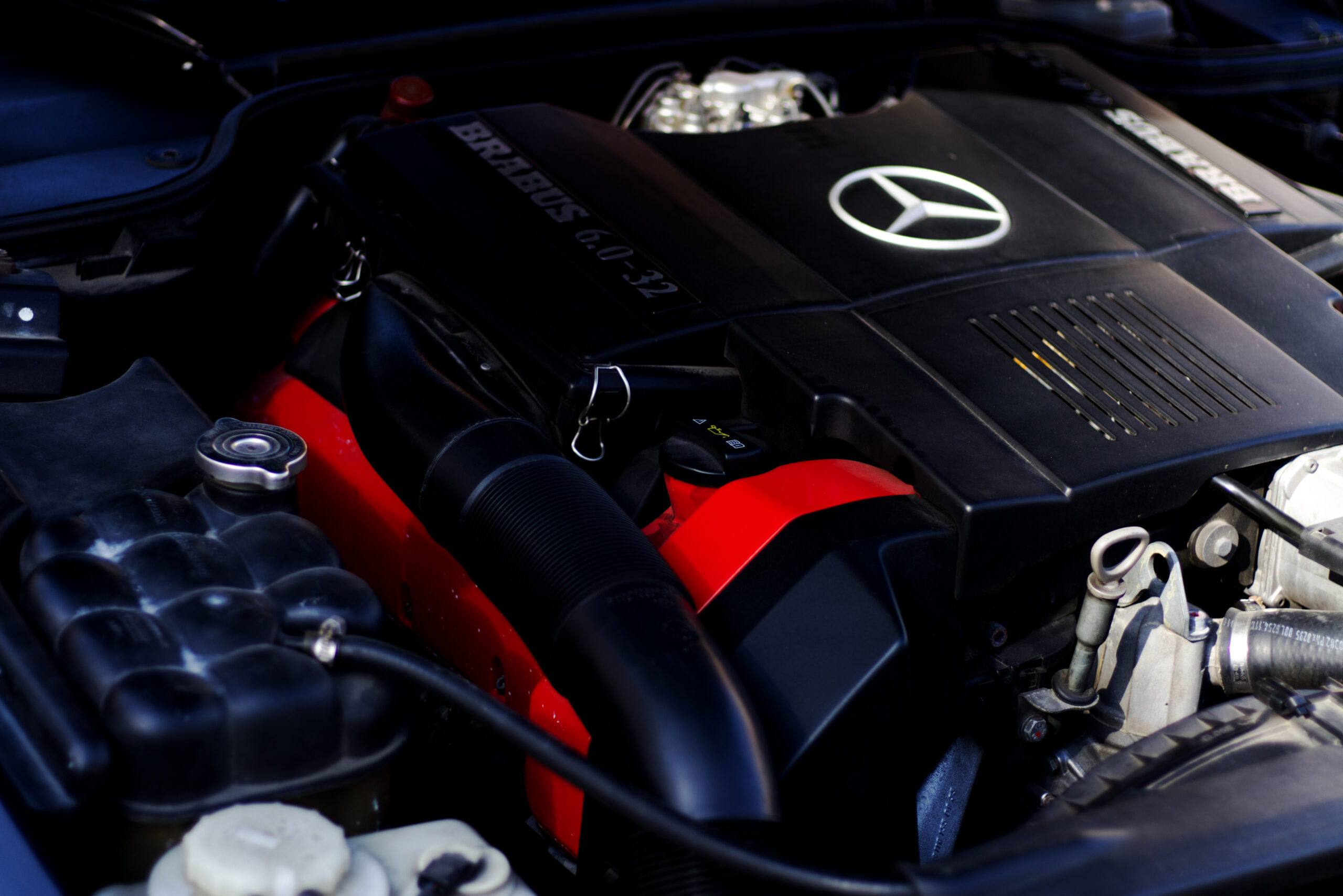
Owning a Mercedes-Benz comes with a justifiable sense of pride — these vehicles are engineered to deliver precision performance, long-term reliability, and a driving experience unlike anything else in their class. But that reliability doesn’t happen automatically. It’s the product of consistent, proper maintenance performed by technicians who understand the specific demands of German engineering. In the Pacific Northwest, where the seasons bring everything from wet winter roads to summer heat and year-round varied terrain, Mercedes-Benz vehicles face a unique set of environmental challenges that make proactive seasonal maintenance especially important.
At European Repair Woodinville, we specialize exclusively in European vehicles, and Mercedes-Benz service is one of our core competencies. We serve drivers throughout Woodinville, Snohomish, Bothell, and the surrounding communities, and we’ve helped hundreds of Mercedes owners extend the life of their vehicles and avoid costly repairs through timely, thorough seasonal maintenance. This guide covers what your Mercedes needs throughout the year — and why staying ahead of the maintenance curve is always the better financial decision.
Why Seasonal Maintenance Matters for Mercedes-Benz
The Pacific Northwest’s climate creates conditions that affect multiple vehicle systems simultaneously. Fall and winter bring rain, road debris, and lower temperatures that affect tire pressure, braking performance, battery health, and fluid viscosity. Spring and summer bring longer drives, trailer-towing, and higher temperatures that stress cooling systems and air conditioning components. Year-round, the wet environment accelerates corrosion on brake components and suspension parts that might last significantly longer in a drier climate.
Mercedes-Benz vehicles are engineered to tight tolerances — which means small issues can become significant problems faster than they might on less precisely engineered vehicles. A worn brake pad on any car is a concern, but a worn pad on a Mercedes with its high-performance braking system creates uneven wear patterns that affect more downstream components. Staying on top of seasonal maintenance isn’t just about safety — it’s about protecting the long-term value and precision of your investment.
Fall and Winter Service Priorities
As temperatures drop and wet weather sets in, the most important Mercedes service items are the braking system, tires, battery, and fluid condition.
Brake Inspection: Mercedes-Benz brake pad wear sensors provide warnings, but we recommend a visual inspection at least once a year regardless of whether a warning has triggered. In the wet Pacific Northwest, brake rotor corrosion develops faster than in drier climates, and driving on lightly corroded rotors accelerates pad wear.
Tire Condition and Pressure: Cold weather decreases tire pressure by approximately 1 PSI for every 10°F drop in temperature, and underinflated tires reduce fuel efficiency and handling precision. Inspect tread depth before the rainy season and consider whether your current tires are appropriate for wet and potentially icy conditions.
Battery Testing: Cold temperatures reduce battery output, and an aging Mercedes battery that functions fine in summer may fail in January. European Repair Woodinville can test your battery’s capacity and health before cold weather arrives.
Fluid Checks: Coolant, brake fluid, and windshield washer fluid all deserve attention heading into fall. Brake fluid absorbs moisture over time and should be flushed on the Mercedes-recommended interval. Coolant should be tested for freeze protection level appropriate for the Pacific Northwest climate.
Spring and Summer Service Priorities
Warmer months bring different demands. Air conditioning, cooling system performance, and tire condition become the focal points.
Air Conditioning Service: If your Mercedes A/C feels less efficient than it used to, spring is the perfect time to have the system inspected and recharged. Cabin air filters, which affect both A/C performance and air quality inside the vehicle, should be replaced annually.
Cooling System Inspection: After a long winter, inspect hoses, the expansion tank, and coolant level. Check the radiator for debris accumulation that may have built up over the wet season. Mercedes cooling systems are reliable when properly maintained, but they’re not immune to age-related wear.
Tire Rotation and Alignment: If you ran winter tires, spring is the time to swap back to all-season or summer tires. All-season tire rotations should happen every 5,000–7,500 miles to ensure even wear and maintain the handling precision Mercedes is known for.
Year-Round Essentials: Oil, Filters, and Software
Mercedes-Benz recommends oil changes based on ASSYST (Adaptive Service System) alerts, but the standard interval is approximately every 10,000 miles or once a year — whichever comes first. We use Mercedes-approved synthetic oil that meets the specific viscosity and performance ratings required for your engine.
Air filters and fuel filters have their own replacement schedules, and Mercedes vehicles also benefit from periodic software updates to the engine control unit and other electronic modules. European Repair Woodinville has the diagnostic tools required to communicate with Mercedes-Benz systems and perform software updates as needed.
When your Mercedes is due for service — or when something doesn’t feel quite right — bring it to the team at European Repair Woodinville. We’ll keep your vehicle performing the way it was meant to.
Q: Does my Mercedes-Benz have to be serviced at a dealership to maintain its warranty?
A: No — independent repair shops like European Repair Woodinville can perform manufacturer-specified maintenance without voiding your warranty, as long as we use approved parts and fluids and document the service properly. We do all of this as a standard part of our service process.
Q: How do I know when my Mercedes needs an oil change?
A: Your Mercedes ASSYST system will display a service reminder on your dashboard. However, if you drive in particularly demanding conditions — frequent short trips, towing, or high heat — it’s worth discussing a slightly more frequent schedule with our team.
Q: What is the typical lifespan of Mercedes-Benz brake pads in the Pacific Northwest?
A: Brake pad longevity varies significantly by driving habits and conditions. In the wet Pacific Northwest, where brakes are used more frequently and rotors experience more corrosion, front pads typically last 25,000–50,000 miles. We’ll measure your pad thickness at every service and give you an honest assessment of remaining life.
Q: Is European Repair Woodinville able to service all Mercedes-Benz models?
A: Yes — we service all Mercedes-Benz models, including C-Class, E-Class, S-Class, GLE, GLC, AMG variants, and more. Our technicians have specialized training in European vehicles and the diagnostic equipment necessary to work on all modern Mercedes platforms.
Address: 20726 Yew Way Suite C, Snohomish, WA 98296
(425) 375-7155
europeanrepairwoodinville.com
Recent Comments