


 (425) 402-7878
 ASE-Certified Auto Mechanics
 2-year/ 24,000-mile Warranty
 Dealership-Level Equipment
 Free Loaner Cars Available
Woodinville’s Expert Porsche Mechanics in Woodinville, WA
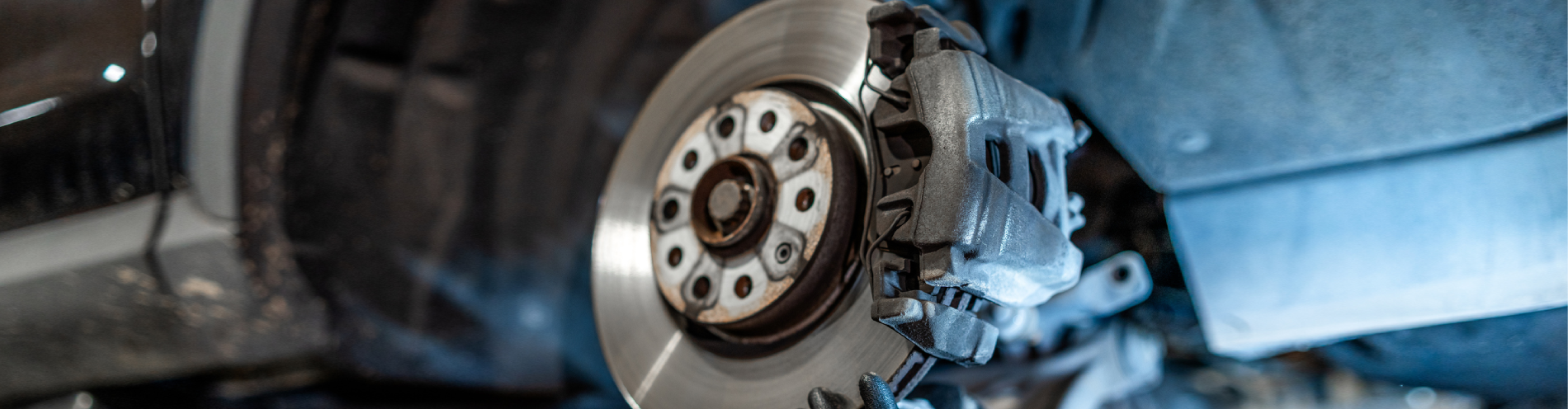
Porsche builds some of the most sophisticated production brake systems in the automotive world. The PCCB ceramic composite brake option — available on 911 GT3, 911 Turbo, Cayenne Turbo, and select other models — uses carbon-fiber-reinforced silicon carbide rotors that weigh significantly less than cast iron and provide exceptional fade resistance at sustained high temperatures. Standard Porsche iron rotors are also oversized for the vehicle weight class, and the PSM stability management system integrates brake function into the chassis control strategy in ways that make post-repair recalibration non-optional. At Woodinville Sports Cars, we service all Porsche brake configurations — from standard iron rotors on the base 718 to PCCB on the 911 Turbo S.
Electronic Parking Brake Service on Porsche Models
Current 911 (991, 992), 718, Cayenne (9Y0, 9YA), and Macan models use integrated electronic parking brakes on the rear calipers. To retract the rear caliper pistons for a brake service, PIWIS commands the EPB motor in reverse — the same procedure as on BMW and Audi EPB systems. A standard brake wind-back tool applied to a Porsche EPB caliper damages the internal drive mechanism in exactly the same way as on other European EPB systems: the caliper appears intact but the EPB motor can no longer move the piston.
We retract Porsche EPB pistons using PIWIS-controlled commands as a standard part of every rear brake service on EPB-equipped models. After installing new pads, we command the initial EPB application cycle through PIWIS and reset the pad wear sensor adaptation before returning the vehicle.
PSM Recalibration After Brake System Work
Porsche's PSM (Porsche Stability Management) integrates wheel speed sensors, brake pressure sensors, and steering angle sensors into a unified chassis stability strategy. When any of these sensors is replaced — or when the brake hydraulic system is serviced in a way that affects the pressure sensor readings — PSM requires recalibration through PIWIS to restore correct stability control function. An uncalibrated PSM after brake work may intervene at incorrect thresholds or fail to intervene when needed.
We perform PSM recalibration as a standard part of any Porsche brake system service involving sensor replacement or brake pressure changes and verify stability control function through a test drive before returning the vehicle.
Brake Fluid Service and Track Preparation
Porsche specifies DOT 4 brake fluid. For Porsche owners who use their cars at track days or performance driving events — which is common in our area — brake fluid service is a pre-event safety requirement. The Porsche track day program specifically recommends annual brake fluid changes for any vehicle used on circuit, and we strongly second that recommendation. A single track session on fluid with significant moisture content can boil the fluid in the front calipers during extended braking zones. We perform Porsche brake fluid service for track day preparation and can advise on high-performance fluid options for GT3 and Turbo owners. For related Porsche services, see our Porsche scheduled maintenance page for CBS brake service intervals, our Porsche suspension repair page for PASM service that often accompanies brake work, and our Porsche tire service page for tire wear and alignment concerns.
Quick Takeaways
- Porsche PCCB (Porsche Ceramic Composite Brakes) require ceramic-specific pad compounds — standard metallic pads destroy PCCB rotors and void any coverage.
- Current Porsche models with electronic parking brakes require PIWIS-controlled piston retraction — standard wind-back tools damage the rear EPB calipers.
- PSM (Porsche Stability Management) recalibration through PIWIS is required after any brake system component replacement involving wheel speed or pressure sensors.
- Porsche specifies DOT 4 brake fluid — track day preparation requires annual fluid service regardless of CBS indicator status.
- All Porsche brake repairs at Woodinville Sports Cars carry our 24-month/24,000-mile warranty
Precision Porsche Brake Service Near You
Maintaining stopping power is critical for safety and track-level performance alike. Woodinville Sports Cars delivers dealership-level brake service and component replacement for enthusiasts living in:
Stop by our facility at 12602 Northeast 178th Street, located just minutes from the Tolt Pipeline Trail so you can drop off your car and easily get on with your afternoon.
Frequently Asked Questions
My Porsche PCCB squeals when braking lightly from low speed. Is that normal?
Yes. A light squeal from PCCB brakes during low-speed, gentle brake application is a known characteristic of the ceramic pad compound chemistry — it is not an indicator of wear or damage. Firm brake application at normal driving speeds should be squeal-free. If squealing occurs during normal driving, have the pads and rotors inspected.
How often do Porsche brakes need replacement?
On street-driven 911 and 718 models, front pads typically last 30,000 to 50,000 miles. PCCB rotors have a longer service life than cast iron under normal street use — typically 60,000 to 100,000 miles — but are more susceptible to thermal shock damage from aggressive driving habits followed by cold water contact. Cayenne front pads last 25,000 to 40,000 miles in daily driving.
Does Woodinville Sports Cars handle Porsche GT3 brake service?
Yes. GT3 and GT4 models receive the same PIWIS-based brake service as other Porsche models. We stock the correct pad compounds for both the standard GT3 iron brake option and the PCCB option, and we perform brake fluid service for track day preparation.
How long does Porsche brake service take?
A standard four-corner brake pad service takes two to three hours. PCCB pad replacement is similar. Brake fluid service takes approximately one hour. Rotor replacement adds time, depending on the model — 30 minutes to an hour per axle.