


 (425) 402-7878
 ASE-Certified Auto Mechanics
 2-year/ 24,000-mile Warranty
 Dealership-Level Equipment
 Free Loaner Cars Available
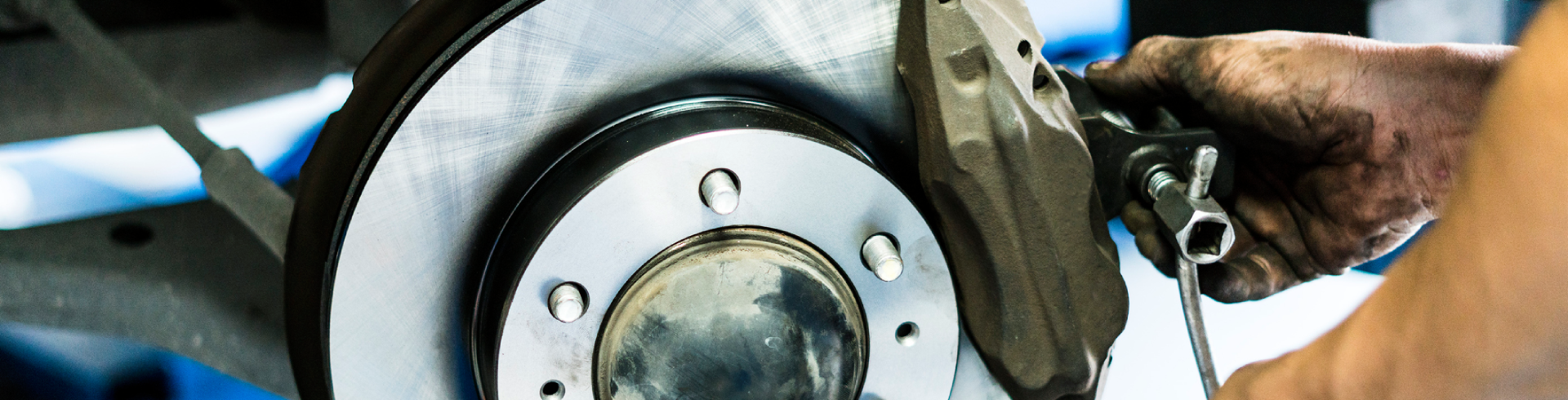
Brake Service for Audi Drivers in Woodinville, WA
Audi builds some of the most capable braking systems available on non-race-spec vehicles — multi-piston Brembo calipers on S and RS models, wave-pattern rotors, and electronic parking brakes integrated into the drivetrain management system. That sophistication means Audi brake service is more involved than a standard rotor-and-pad swap. The wrong tools or an incomplete procedure leave the electronic parking brake inoperable or the wear sensor throwing codes before the new pads are even broken in. Woodinville Sports Cars performs Audi brake service using the correct procedures and VCDS tooling required by Audi’s systems.
Audi Brake Pad and Rotor Specifications
Audi pads use a specific compound formulated for the thermal mass of Audi rotors. Running generic pads on Audi rotors — especially the larger-diameter units on A6 and Q7 — produces uneven bedding, longer stopping distances, and brake squeal. We stock OEM-specification pad compounds from Continental, ATE, and Brembo depending on the application. For S and RS models, we also stock the appropriate performance compound for the track-capable brake packages Audi installs from the factory.
Rotor warping is common on Audis that do a lot of highway driving followed by hard stops — the thermal shock from aggressive braking on hot rotors followed by cold Washington rain is genuinely hard on cast iron. We measure rotor thickness before recommending replacement. If rotors are within spec and showing even surface wear, we resurface; if they are thin or showing lateral runout above 0.050mm, replacement is the right call.
Brake Fluid Service for Audi Vehicles
Brake fluid absorbs moisture over time, lowering its boiling point and increasing the risk of vapor lock under hard braking. Audi specifies brake fluid meeting DOT 4 plus standards. We flush brake fluid with the correct specification fluid and bleed all four corners in Audi's specified sequence.
For S4, S5, RS4, and RS5 owners who use their cars at performance driving events, brake fluid service is a pre-event safety item. The higher thermal loads at track days exhaust brake fluid's moisture tolerance in a single session if the fluid is more than a year old. We recommend annual fluid changes for any Audi driven on track.
Audi Brake Wear Sensor Reset and System Coding
Newer Audis use electronic pad wear sensors that communicate remaining pad life through the body control module. After a pad replacement, the wear sensor adaptation must be reset through VCDS so the system tracks wear from a new baseline. We reset wear sensor adaptations as a standard part of every brake job and verify ABS sensors and stability control are functioning normally before returning the vehicle. For related Audi service needs, see our Audi scheduled maintenance page, our Audi suspension repair page for related chassis work, and our Audi tire service page for alignment and tire wear concerns.
Quick Takeaways
- Audi A4 B9, A5, Q5, A6, A7, and Q7 use electronic parking brakes — standard wind-back tools will damage the caliper. Computer-controlled piston retraction via VCDS is required.
- Audi specifies DOT 4 plus specification brake fluid — standard DOT 3 accelerates boiling and compromises fade resistance under hard use.
- Pad wear sensor adaptations must be reset through VCDS after replacement or the wear indicator will behave incorrectly immediately after service.
- Woodinville Sports Cars stocks Audi-grade rotors and pads and performs most brake jobs same-day.
- All brake repairs carry our 24-month/24,000-mile warranty.
High-Performance Audi Brake Service & Repair for Eastside Drivers
At Woodinville Sports Cars, our brake system specialists offer an exact, premium alternative to the dealership for clients throughout:
Located at 12602 Northeast 178th Street, we are right off the 140th Ave NE corridor, ensuring an easy route to leave your luxury vehicle and keep your afternoon schedule on track.
Frequently Asked Questions
Can a regular shop do Audi brake service?
Only if they have VAG-specific tooling for EPB caliper retraction and VCDS for sensor resets. A shop without these tools either cannot properly service the rear brakes on EPB-equipped models or risks damaging the caliper.
My Audi brake warning light came on right after new pads were installed. What happened?
Almost certainly, the wear sensor adaptation was not reset after the service. The system still believes pads are near the end of life. A VCDS reset clears this immediately — it does not require new pads or any additional parts.
What does Audi brake fluid service involve?
We drain all four calipers of old fluid, flush the system with fresh DOT 4 plus specification fluid, and bleed each corner in the factory sequence. This takes about 45 minutes and should be done every two years or 24,000 miles under normal use.
Does Woodinville Sports Cars handle RS model brake service?
Yes. We stock the appropriate pad compounds and rotors for the larger brake packages on S4, S5, RS4, and RS5, including Brembo and carbon ceramic brake packages. We also handle brake fluid service for track-day preparation.