


 (425) 402-7878
 ASE-Certified Auto Mechanics
 2-year/ 24,000-mile Warranty
 Dealership-Level Equipment
 Free Loaner Cars Available
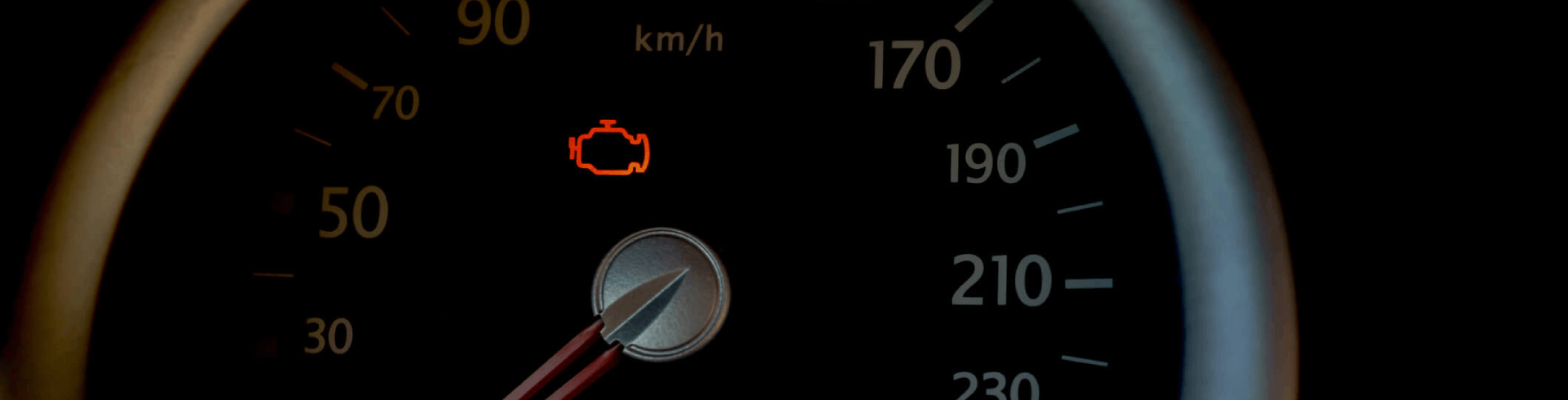
VW Check Engine Light On in Woodinville? Here Is What It Actually Means.
The check engine light on a Volkswagen is frequently mishandled — either ignored for months or addressed by replacing parts based on an incomplete code reading from a generic OBD-II tool. A generic reader shows a P-code number. VCDS shows the code, the sub-code, the freeze-frame data, and the adaptation channel values that explain why the fault is stored. The difference matters most on the EA888 2.0T TSI engine — the engine that powers the Golf GTI, Golf R, Jetta GLI, and Tiguan — where a single code number like P0011 can mean a sticky camshaft adjuster solenoid, a timing chain out of specification, or an oil sludge issue, depending on the sub-code and supporting data. At Woodinville Sports Cars, we read VW check engine lights correctly the first time.
Most Common VW Check Engine Light Causes
Ignition coil failure is the single most frequent EA888 check engine cause we see. The four coil-on-plug ignition coils on the EA888 are exposed to underhood heat and vibration, and the internal insulation degrades over time. When a coil fails, it typically produces P0301 through P0304 misfire codes specific to the affected cylinder. VCDS identifies which cylinder is misfiring, and we perform a coil swap test before recommending replacement — sometimes a coil that reads as failed on one cylinder has actually moved to the failed position from an adjacent cylinder.
EVAP system faults — P0441, P0455, P0456 — are the second most common category on EA888-equipped Volkswagens. The purge valve on the EA888 is a well-documented failure item that sticks open or closed and triggers EVAP codes, often after fueling. The charcoal canister vent valve is the secondary suspect. Both are relatively inexpensive repairs compared to the sensor replacements that shops without VW-specific diagnostic knowledge tend to recommend based on the code number alone.
Carbon Buildup and Check Engine Codes on FSI/TSI Engines
Severe carbon buildup on the intake valves of EA888 TSI engines produces misfires at cold start and under light throttle. The rough idle from restricted intake valve flow stores P030X misfire codes that look identical to ignition coil failure codes. The distinction matters — replacing coils on an engine with significant carbon buildup resolves the code temporarily, but the misfire returns within weeks because the root cause is intake airflow restriction, not ignition. VCDS live data showing consistent misfires only at cold start and light load — not under hard acceleration — is the diagnostic signature of carbon buildup rather than coil failure.
Walnut blasting the intake valves addresses the carbon deposits directly. We recommend this service every 60,000 miles on EA888 TSI engines and perform it as part of check engine light diagnosis when the pattern indicates carbon is the cause.
What Happens After the VW Check Engine Light Diagnosis
We provide a written report of every fault found — engine, transmission, chassis, and body modules — with clear explanations of what each fault means and what the correct repair involves. For VW owners throughout Woodinville, Redmond, Kirkland, and Bothell, this level of VCDS-based diagnostic depth is available at independent-shop pricing. For related Volkswagen services, see our Volkswagen engine repair page for timing chain and carbon buildup service, our Volkswagen oil leak repair page for oil-related fault codes from camshaft solenoid leaks, and our Volkswagen electrical repair and module coding page for fault codes spanning multiple modules.
Quick Takeaways
- Volkswagen check engine lights require VCDS or OBD-11 for full fault detail — generic readers return incomplete codes that often lead to wrong part replacements.
- The EA888 2.0T TSI — found in the GTI, Golf R, Jetta GLI, and Tiguan — has specific fault patterns: ignition coil failures, EVAP leaks, camshaft timing codes, and carbon buildup-related misfires.
- A solid check engine light is typically non-emergency. A flashing light means active misfire — stop driving and have the car transported.
- VW fault codes include sub-codes and freeze-frame data that generic readers miss — this context is essential for correct diagnosis.
- Woodinville Sports Cars provides same-week VCDS diagnosis with a written findings report for every Volkswagen check engine light.
Accurate VW Check Engine Light Diagnostics in the Woodinville Area
At Woodinville Sports Cars, our local diagnostic technicians are the ideal alternative to the dealership for drivers in:
Located at 12602 Northeast 178th Street, we are just a short drive from Cottage Lake Park—making it easy to drop off your car and stay on the go.
Frequently Asked Questions
Will clearing the VW check engine light fix the problem?
No. Clearing the code erases the stored fault and turns off the light, but the underlying cause remains. On VW vehicles, most faults return within one to three drive cycles if the root cause is not addressed. Clearing without diagnosing is a temporary cosmetic fix.
My VW check engine light came on right after I filled up with gas. Is that the gas cap?
Possibly — a loose or faulty gas cap triggers an EVAP small leak code (P0456). But on EA888 TSI engines, the purge valve is a more common cause of post-fueling EVAP codes. VCDS distinguishes between a gas cap issue and a purge valve failure from the fault sub-code and freeze-frame data.
How long does a Volkswagen check engine light diagnosis take?
The full VCDS scan and initial diagnosis takes 45 minutes to one hour. If the cause is immediately identifiable, we provide a same-day estimate. Complex cases involving intermittent faults or multiple interacting codes take longer. We provide a timeframe estimate before starting.