


 (425) 402-7878
 ASE-Certified Auto Mechanics
 2-year/ 24,000-mile Warranty
 Dealership-Level Equipment
 Free Loaner Cars Available
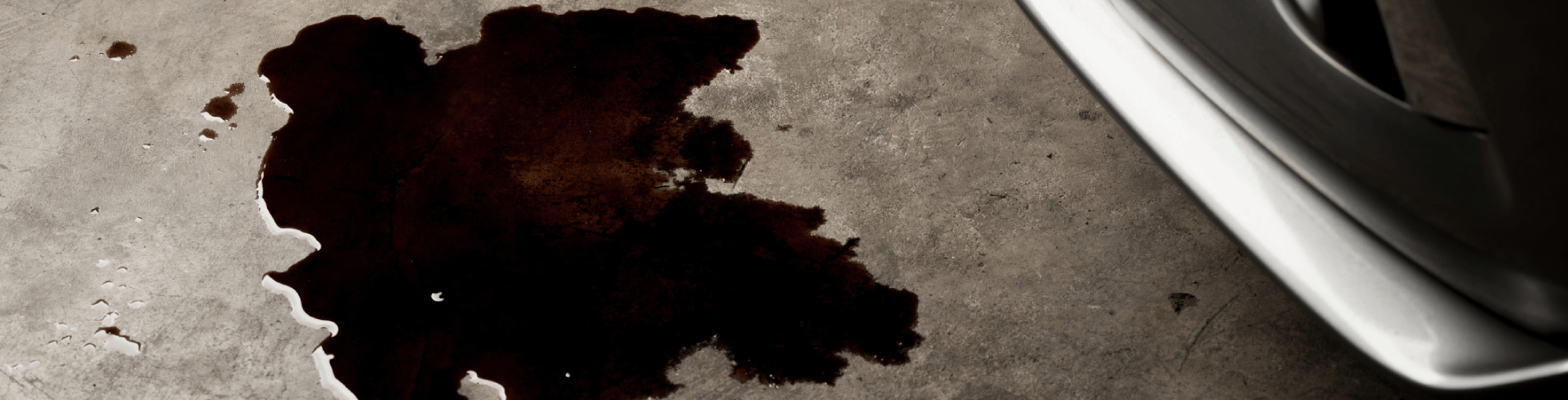
Is Your Mercedes-Benz Leaking Oil? Get it Repaired by Woodinville’s Local Experts
Mercedes-Benz engines develop oil leaks for predictable reasons — heat cycling hardens rubber seals, plastic valve covers develop cracks, and high operating temperatures accelerate gasket degradation over time. The M272 and M273 V6 and V8 engines are the most common oil leak sources we work on, followed by the M271 four-cylinder and the newer M274 2.0T. Left unaddressed, oil leaks on any of these engines follow the same path: oil migrates to the ignition coils, oxygen sensors, and serpentine belt, converting a straightforward seal repair into a multi-system repair that costs several times more. At Woodinville Sports Cars, we identify the exact leak source before recommending any repair.
Camshaft Adjuster Solenoid Seal Leaks
The camshaft adjuster solenoids on the M272 and M273 are threaded into the cylinder head and sealed with O-rings. When these O-rings fail — typically at 80,000 to 120,000 miles — oil leaks at the base of the solenoid and runs down the side of the engine in a location that visually resembles a valve cover leak. Replacing the valve cover gasket when the actual source is the solenoid O-ring does not fix the problem.
We use UV dye tracing and direct inspection under magnification to distinguish valve cover leaks from solenoid seal leaks before quoting any repair. Solenoid seal replacement involves removing the solenoids, installing new O-rings, and reinstalling to the correct torque. If both the valve cover and solenoid seals are failing simultaneously — which is common at high mileage — we address them together to save labor.
Mercedes Rear Main Seal and Oil Pan Gasket Repair
The rear main seal on rear-wheel-drive Mercedes models sits between the engine block and the transmission bellhousing and seals the back of the crankshaft. Accessing it requires removing the transmission — on a rear-wheel-drive E-class or S-class, this is a multi-hour job involving driveshaft disconnection and transmission crossmember removal. The symptom is oil dripping from the bellhousing area and pooling directly under the engine-transmission junction on the garage floor.
Oil pan gasket leaks produce a similar drip location but originate lower on the engine. We confirm the exact leak source before recommending transmission removal — oil pan gasket replacement does not require transmission removal and is a different repair with a different cost. We do not quote a rear main seal replacement without confirming through inspection that the seal is the actual source.
M274 Oil Cooler Gasket: Oil in the Coolant
The M274 2.0T oil cooler gasket failure is a different category from typical oil leaks — it introduces engine oil into the coolant system rather than leaking oil externally. The cooler sits in the engine valley and the failed gasket allows oil and coolant to mix at the interface. Diagnosis includes checking for milky appearance on the oil filler cap, testing coolant for oil contamination, and inspecting the cooler housing. This repair requires immediate attention — continued operation with mixed fluids damages the cooling system and accelerates bearing wear. For related Mercedes services, see our Mercedes-Benz engine repair page for M274 and M272 engine repair details, our Mercedes-Benz oil change page for correct oil specifications that minimize seal degradation, and our Mercedes-Benz check engine light page if oil leaks have triggered sensor or module fault codes.
Quick Takeaways
- Mercedes oil leaks most commonly originate at the valve cover gaskets, camshaft adjuster solenoid seals, rear main seal, and oil filter housing O-ring.
- The M274 oil cooler gasket failure mixes engine oil with coolant — this is not a standard oil leak and requires immediate attention.
- Camshaft adjuster solenoid leaks on the M272 and M273 V6/V8 are frequently misidentified as valve cover leaks — correct identification saves unnecessary repair.
- Oil that reaches ignition coils or oxygen sensors creates secondary failures that cost far more than the original seal repair.
- Woodinville Sports Cars identifies the exact leak source before recommending any repair — we do not replace seals based on guesswork.
Specialized Mercedes-Benz Oil Leak Repair Services in Woodinville
At Woodinville Sports Cars, our skilled engine technicians are the premier local alternative to the dealership for owners in:
Located at 12602 Northeast 178th Street, we are located just a short drive from Wilmot Gateway Park—ensuring your service check-in is quick, professional, and entirely stress-free.
Frequently Asked Questions
Is a Mercedes valve cover gasket leak serious?
Not an emergency, but it should not be ignored. The primary risk is oil reaching the ignition coils through the coil tubes — coil failure from oil contamination is expensive and entirely preventable. We recommend addressing valve cover gasket leaks within a service interval or two of identification.
How expensive is a Mercedes rear main seal replacement?
We provide a written estimate before any work begins. The cost reflects the labor-intensive nature of the repair — transmission removal on a rear-wheel-drive Mercedes is a significant job. We use the opportunity to also inspect the transmission input shaft seal and address any additional leaks found at the same time.
My Mercedes smells like burning oil when I stop after highway driving. Where is it coming from?
Oil dripping onto hot exhaust components — the exhaust manifold, catalytic converter, or downpipe — produces a burning smell strongest after sustained high-speed driving. Common sources on Mercedes models are the valve cover area on V6 and V8 engines and the turbo oil feed and return lines on M271 and M274 TFSI models.
Can I use an oil stop-leak additive in my Mercedes to avoid a seal repair?
We strongly advise against it. Stop-leak additives temporarily swell rubber seals but do not address the underlying material failure. They can also affect seals that are currently intact and may clog oil passages. Proper seal replacement with OEM-specification parts is the correct and only lasting repair.