


 (425) 402-7878
 ASE-Certified Auto Mechanics
 2-year/ 24,000-mile Warranty
 Dealership-Level Equipment
 Free Loaner Cars Available
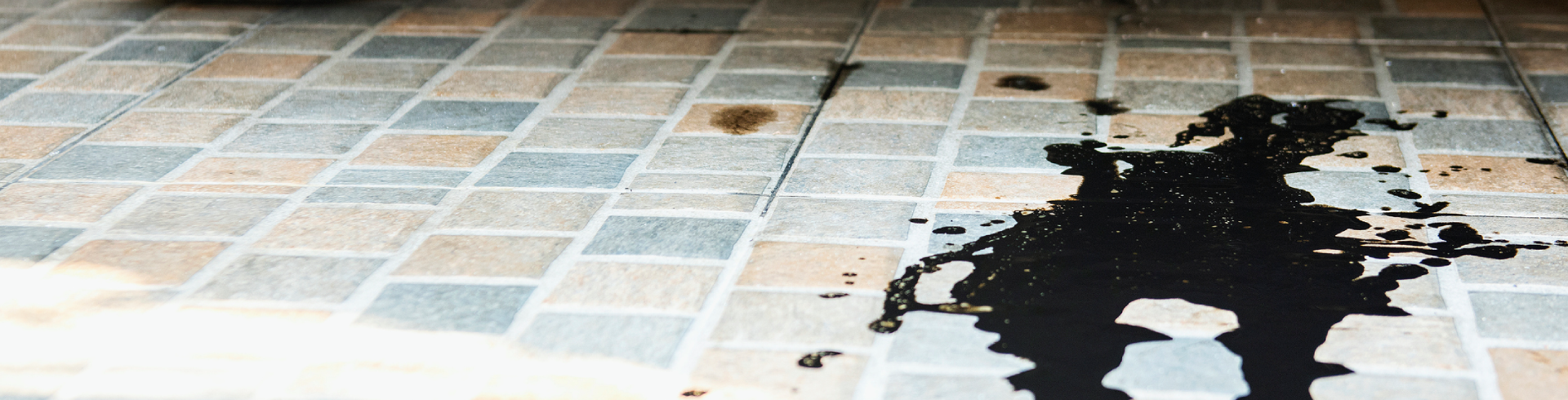
Oil Leak Repair for Audi Drivers in Woodinville, WA
Oil leaks on Audi vehicles are more common than on many European brands, primarily because the EA888 2.0T TFSI engine has several known seal failure points. The valve cover gasket, camshaft adjuster solenoid seals, rear main seal, and timing cover gasket are the most frequent sources. Left unaddressed, an oil leak that starts as a slow seep becomes a secondary problem: oil migrates to coil packs, oxygen sensors, and serpentine belts, turning a $300 seal repair into a $900 repair that also includes coil replacement and sensor cleaning. Woodinville Sports Cars identifies the exact source before recommending any repair.
Camshaft Adjuster Solenoid Seal Leaks
The camshaft adjuster solenoids on the EA888 are mounted in the cylinder head and sealed with O-rings that harden over time. When these O-rings fail, oil leaks at the base of the solenoid and can be mistaken for a valve cover leak because the oil runs down the side of the engine in a similar location. The distinction matters because replacing the valve cover gasket does not fix a solenoid seal leak — and vice versa.
We use UV dye tracing and direct inspection to confirm the source before quoting a repair. Solenoid seal replacement requires removing the solenoids themselves and installing new O-rings. If both the valve cover and the solenoid seals are seeping, we often address them together to save labor.
Rear Main Seal Replacement on Audi Quattro Models
The rear main seal sits between the engine and the transmission and seals the back of the crankshaft. It is one of the more expensive Audi seal repairs because accessing it requires removing the transmission from the vehicle — on a quattro model, this also involves partial disassembly of the rear drivetrain. A rear main seal repair on an Audi A4 or Q5 is a full-day job.
The symptom is oil pooling or dripping from the bellhousing area — often noticed first as a smell of burning oil from underneath the car or a stain on the garage floor directly under the engine-transmission junction. We confirm the source before recommending transmission removal because front transmission seal leaks and oil pan gasket leaks can produce similar symptoms from a different location.
Preventing Secondary Damage from Untreated Oil Leaks
Oil that reaches the serpentine belt causes the belt to slip and eventually fail. Oil on the crankshaft position sensor can cause intermittent no-start conditions and check engine lights that are misdiagnosed as sensor failure. Oil on the oxygen sensors causes rich-running conditions and eventual sensor damage. We document every oil leak we find during routine service and give you an honest priority assessment. For related Audi engine and maintenance services, see our Audi engine repair page for timing chain and internal engine concerns, our Audi oil change page for correct oil specifications that minimize seal degradation, and our Audi check engine light page if oil leaks have triggered electrical or sensor fault codes.
Quick Takeaways
- Audi oil leaks most commonly originate at the valve cover gasket, cam adjuster solenoid seals, rear main seal, and timing cover on EA888 engines.
- Camshaft adjuster solenoid seal leaks are often misdiagnosed as valve cover leaks — visual inspection alone does not always identify the source.
- Rear main seal replacement on quattro Audis requires drivetrain disassembly and is a full-day job — not to be confused with the less serious valve cover leak.
- Ignoring oil leaks allows oil to contaminate oxygen sensors, coil packs, and belts — turning a seal repair into a multi-system repair.
- Woodinville Sports Cars identifies the exact leak source before quoting — we do not replace seals based on guesswork.
Specialized Audi Oil Leak Repair Services in the Woodinville Area
At Woodinville Sports Cars, our skilled engine mechanics serve as the premier local alternative to the dealer for owners in:
Located at 12602 Northeast 178th Street, we are located just a brief drive from Wilmot Gateway Park—ensuring your service check-in is swift, professional, and entirely stress-free.
Frequently Asked Questions
Is an Audi valve cover gasket leak serious?
It is not an emergency, but it should not be ignored. The biggest risk is oil reaching the ignition coils via the spark plug tubes — coil failure from oil contamination is expensive and avoidable. We typically recommend addressing valve cover gasket leaks within a service interval or two of identification.
My Audi smells like oil burning when I park. Where is it coming from?
Oil dripping onto hot exhaust components — the catalytic converter, exhaust manifold, or downpipe — produces a burning smell strongest after highway driving. Common sources are the valve cover area on EA888 engines or the turbo oil feed line on TFSI models.
Can I add stop-leak oil additive to my Audi instead of repairing the seal?
We do not recommend it. Stop-leak additives swell rubber seals temporarily and can temporarily mask a leak, but they do not address the underlying material failure. They can also swell seals that are currently intact, causing problems elsewhere. Proper seal replacement with OEM-specification parts is the correct repair.