


 (425) 402-7878
 ASE-Certified Auto Mechanics
 2-year/ 24,000-mile Warranty
 Dealership-Level Equipment
 Free Loaner Cars Available
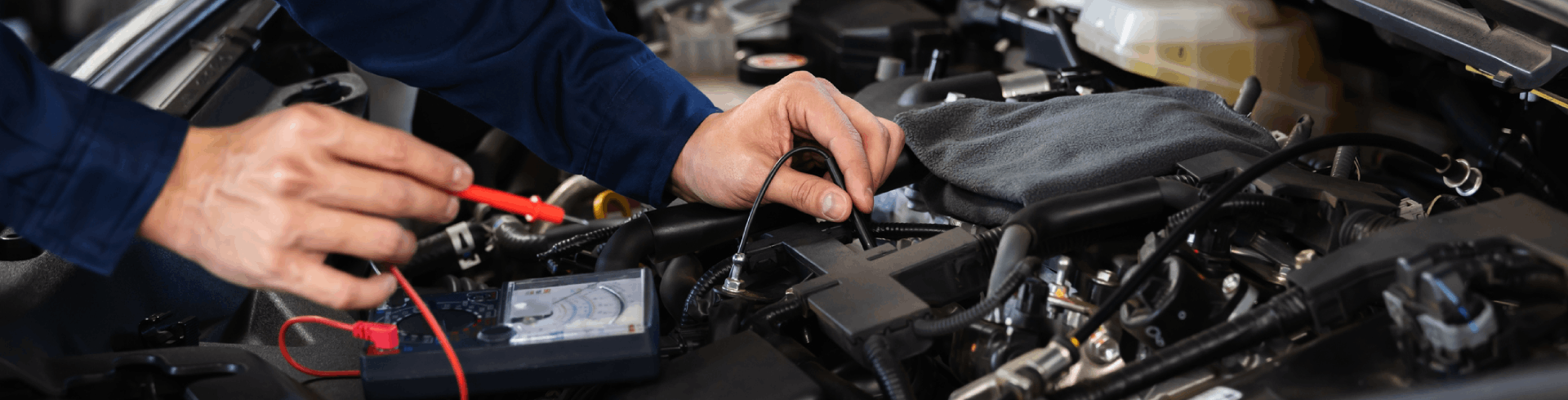
When Your MINI’s Gremlins Won’t Quit — Electrical Diagnosis in Woodinville
A MINI’s charm turns into a headache the moment the electrics act up. Windows that stop halfway, interior lights with a mind of their own, a battery that keeps dying, warning icons that make no sense together. Sound familiar? These are classic MINI electrical faults, and the frustrating part is that they’re rarely the simple thing they first look like — the symptom and the actual failure often sit on opposite ends of the car. We diagnose and repair MINI Cooper electrical systems in Woodinville with BMW-compatible scan tools — because a MINI is BMW underneath, and it needs that level of access to find the real cause. Since 2004, that’s been our lane.
Quick Summary: Key Takeaways
- Root-cause diagnosis: we trace MINI electrical faults with BMW-compatible tools, not a parts-cannon guess.
- Common culprits: footwell control module water damage, IBS battery sensor coding, failed window regulators, and lighting faults.
- Battery coding matters: a new MINI battery must be registered, or the charging system overcharges it and gremlins multiply.
- What we fix: modules, wiring, grounds, immobilizer and CAS issues, and the small stuff like switches and sensors.
- The safety net: every repair carries a 2-year/24,000-mile warranty, with free loaner cars.
The Battery, the IBS Sensor, and Why Coding Is Not Optional
Half the "electrical gremlin" MINIs we see start with a battery that was replaced wrong. A MINI uses an intelligent battery sensor (IBS), and the car has to be told a new battery is installed. Skip that coding step and the charging system keeps pushing voltage meant for a tired old battery into a fresh one — it overcharges, runs hot, and dies early, while throwing random faults across the car. We register every battery to the vehicle with the correct spec. Five minutes of software. It saves you a second dead battery and a week of chasing ghosts that were never really there.
The Repairs That Come Up Most
Certain MINI electrical jobs are near-routine for us. Window regulators fail and leave the glass stuck — common on the R56 and F56. Lighting faults, from tail-light clusters to interior LEDs, trace back to modules or corroded grounds more often than bulbs. Rarely the bulb, actually. We also handle immobilizer and CAS issues that leave a MINI cranking but not starting, plus wiring and connector repairs from rodent damage or age. On the N12, N14, and N18 engines, electrical symptoms sometimes point at a sensor, not the wiring — and knowing the difference is the whole job. Wiring or sensor? Get that call wrong and you replace the expensive part twice while the real fault sits there untouched, which is precisely the trap a MINI owner hopes a specialist helps them avoid. That's where the platform experience earns its keep.
Warranty, Loaner Cars, and a Real Diagnosis First
Electrical work is where shops love to throw parts at a problem and bill you for each miss. We don't. With AAA putting new-vehicle ownership at $11,577 a year in 2025, paying twice for the same fault is exactly the waste a real diagnosis prevents. You get that diagnosis first, an itemized estimate, and a fix backed by a 2-year/24,000-mile warranty. Take a free loaner while we work — chasing an intermittent fault can take a beat, and you shouldn't lose your car to it. Our mechanics are ASE-certified, and our 4.8 rating across 220-plus Google reviews reflects how we treat these tricky jobs: methodically and honestly.





Frequently Asked Questions
Does a new MINI battery need to be coded?
Yes. A MINI uses an intelligent battery sensor, so a new battery must be registered to the car. Without that step, the charging system overcharges it, shortening its life and creating electrical faults.
My MINI window is stuck — what causes that?
Usually a failed window regulator, which is common on the R56 and F56. We confirm whether it's the regulator, the motor, or a switch or module issue before replacing anything.
Can you fix a MINI that cranks but won't start?
Often yes. A no-start with a cranking engine can point to the immobilizer or CAS system. We use BMW-compatible diagnostics to read those systems and pinpoint the fault.
Where can I get MINI electrical repair near Woodinville, WA?
Woodinville Sports Cars at 12602 NE 178th Street has diagnosed MINI electrical faults since 2004, using BMW-compatible tools. Drivers come to us from across the Eastside, including Bothell, Kirkland, and Redmond.
Schedule Your MINI Electrical Diagnosis
Find us at 12602 NE 178th Street, Woodinville, WA 98072, open Monday through Friday, 7:30 a.m. to 5:00 p.m. Book online and we’ll track the fault down.
Our Shop Blog

Your Porsche’s Summer Tires Quit Gripping Before the First Frost — Time for Winter Tires in Woodinville
That “Lifetime” Transmission Fluid in Your BMW or Audi Has an Expiration Date
Pre-Purchase Inspections in Woodinville: What to Check on a Used BMW or Audi
Before You Drive the Cascade Loop This Summer, Check Your Brakes
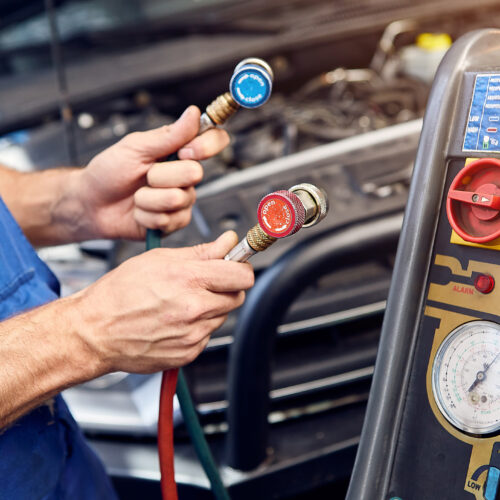
European Car A/C Repair for Hot Summer Days in Woodinville

BMW Cooling System Inspection Before Summer in Woodinville
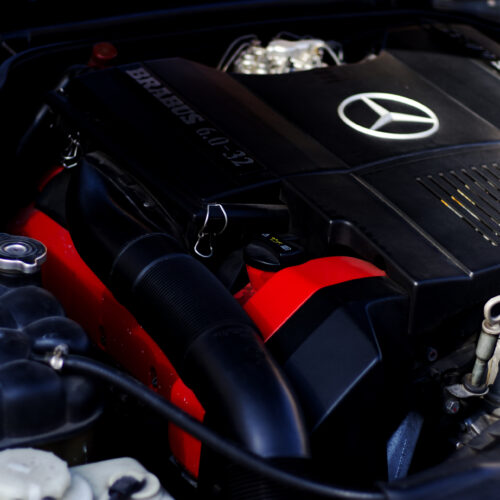
Mercedes-Benz Maintenance in Woodinville: What Your Vehicle Needs Each Season

Your Audi’s Check Engine Light Is On in Woodinville — Here’s What It Actually Means
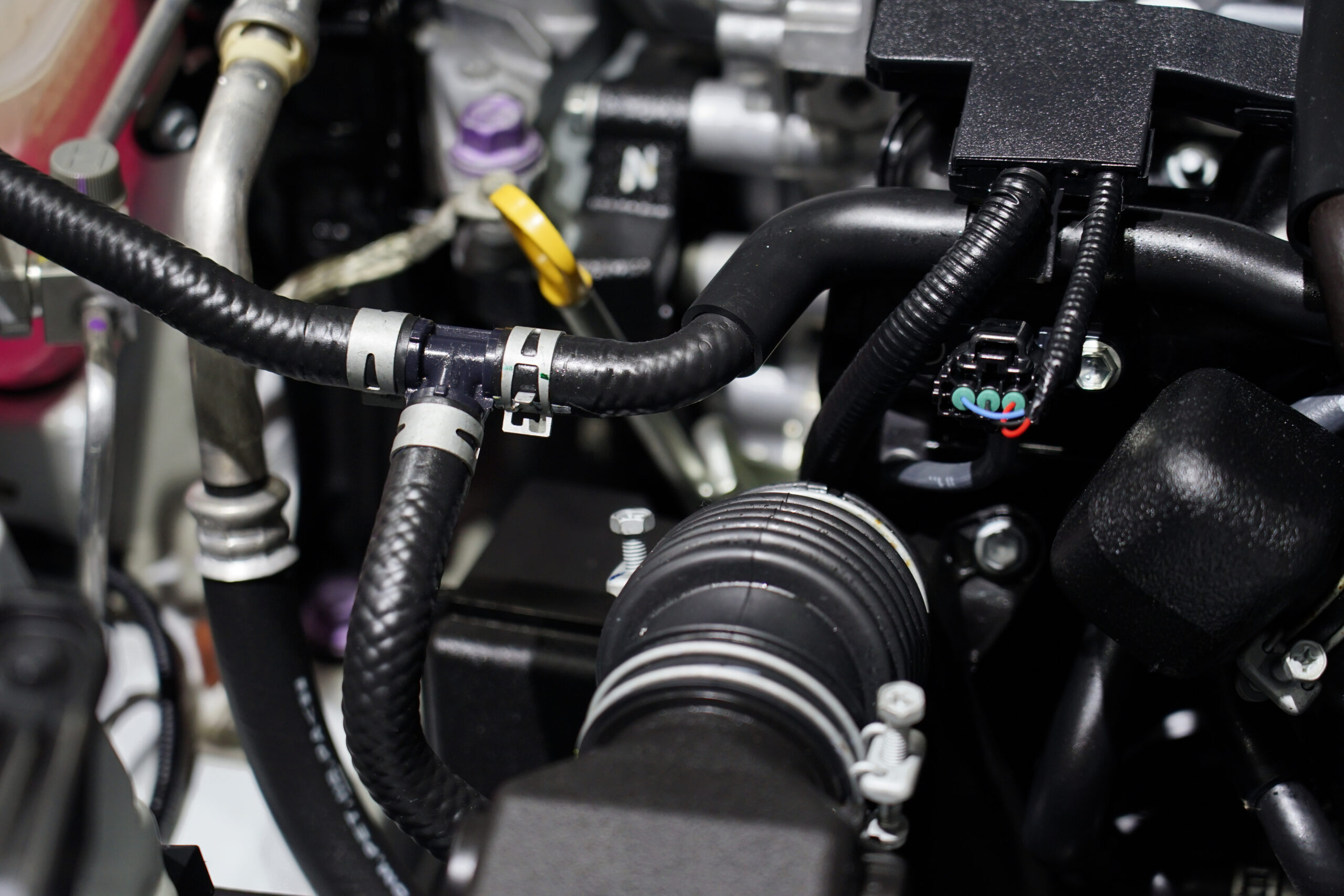
Reasons Behind Crankcase Ventilation Valve Malfunctions in BMW from Woodinville Experts

What Causes Rough Idling In Audi Vehicles?

Why Your Mini Cooper Feels Less Responsive: Tire Problems to Watch Out For

Is An Audi Pre-Purchase Inspection Worth It For Woodinville Drivers

Where to Go in Woodinville for Audi Digital Dashboard Repair
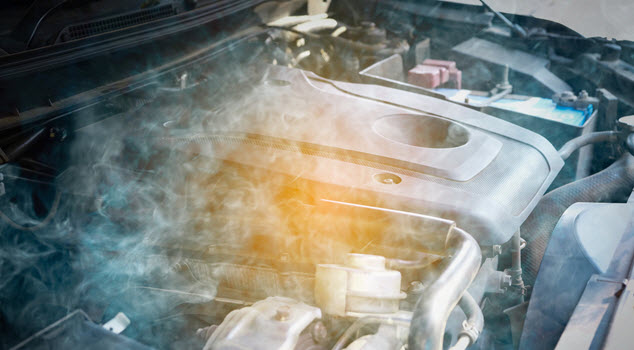
Leading Garage in Woodinville for Mini Head Gasket Replacement

Resolving Electrical Problems Caused by a Faulty Mercedes Alternator
When to Replace Your Audi EGR Valve: Key Indicators

Avoid Engine Problems with Timely Volkswagen Ignition Coil Repair

What Causes Crank Seal Oil Leak Problems In Your Mini

Mini Radiator Expansion Tank Failure: Common Symptoms and How to Fix It
