


 (425) 402-7878
 ASE-Certified Auto Mechanics
 2-year/ 24,000-mile Warranty
 Dealership-Level Equipment
 Free Loaner Cars Available
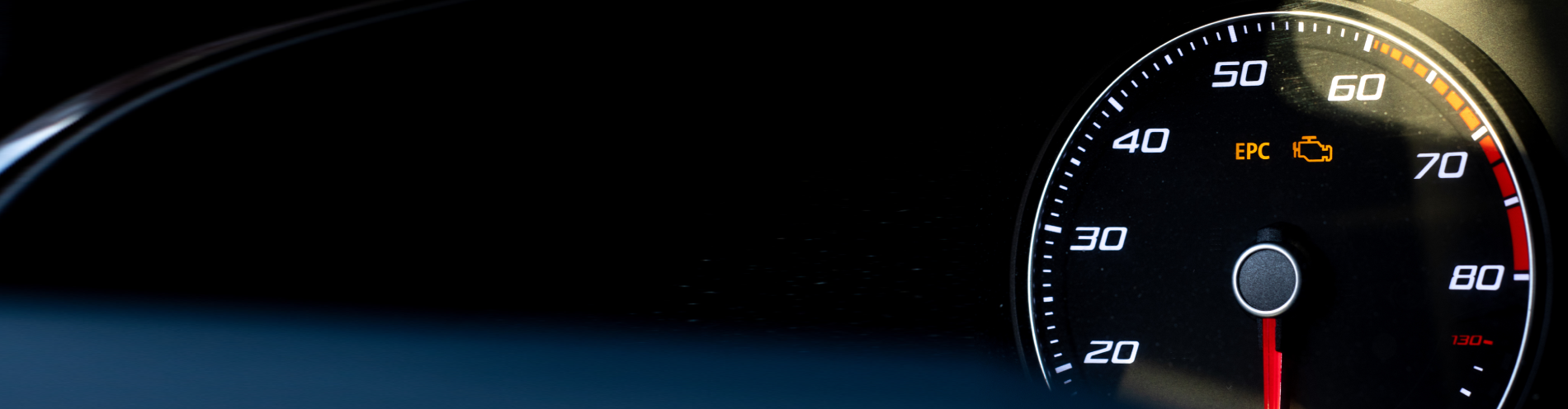
Porsche Check Engine Light On in Woodinville? Here Is What You Need to Know.
The check engine light on a Porsche communicates through the DME (Digital Motor Electronics) engine management module using fault codes that generic OBD-II tools can only partially read. PIWIS provides the full picture: the fault code, the sub-code that specifies the failure type, the freeze-frame data that captures engine conditions at the moment of the fault, and the fault frequency counter that indicates whether the issue is occasional or persistent. On a 718 Boxster with a P030X misfire code, that distinction determines whether you are looking at ignition coil failure, spark plug fouling from the flat-four oil dilution issue, or carbon buildup on the intake valves — three different repairs with three different costs. At Woodinville Sports Cars, we diagnose Porsche check engine lights with the PIWIS depth that the diagnosis requires.
718 Flat-Four: Oil Dilution and Misfire Diagnosis
The MA1 2.0T flat-four engine in the base 718 Boxster and Cayman (2016–2021) has a documented oil dilution pattern where fuel wash-down from the direct injection system dilutes the engine oil under certain driving conditions — particularly short trips and cold weather driving. Diluted oil produces P030X misfire codes at cold start from spark plug fouling, and the misfire pattern is often intermittent. Generic diagnosis that replaces ignition coils based on misfire codes without evaluating spark plug condition and oil fuel contamination leads to parts replacement that does not resolve the symptom.
PIWIS freeze-frame data for the 718 flat-four misfire shows whether the fault occurs exclusively at cold start and low load — the signature of fouled plugs from oil dilution — or across all operating conditions, which points toward coil or fuel system failure. We evaluate both possibilities during diagnosis and check oil fuel contamination level before recommending any repair.
Cayenne 9PA Coolant Pipe Failure Codes
The first-generation Cayenne 9PA (2003–2010) with the 3.6L V6 has a plastic coolant pipe routing under the intake manifold that degrades with age and heat cycling. When the pipe develops a crack or the connection fitting fails, coolant leaks into the valley of the engine or vents as steam, producing rapid overheating and coolant temperature fault codes. This is not a sensor fault — it is a coolant system failure that causes catastrophic engine damage if the car is driven with the fault present.
Any 9PA Cayenne showing coolant temperature deviation codes, coolant level warnings, or white smoke from the engine should be transported, not driven, to our shop for diagnosis. We have repaired this specific failure on numerous Cayenne 9PA models and perform the repair with updated-specification coolant pipe components that address the original design weakness.
What Happens After the Porsche Check Engine Light Diagnosis
We provide a written report of every fault found across every module — DME, EGS, PSM, and all body and chassis modules. For Porsche owners throughout Woodinville, Redmond, and Kirkland, PIWIS-depth diagnostic capability is available at independent-shop pricing. For related Porsche services, see our Porsche engine repair page for IMS bearing and internal engine concerns, our Porsche oil leak repair page for oil-related fault codes, and our Porsche electrical repair and module coding page for fault codes spanning multiple modules.
Quick Takeaways
- Porsche check engine lights require PIWIS for full fault detail — generic OBD-II readers return incomplete codes that lead to wrong diagnoses and unnecessary parts.
- The 718 flat-four (2.0T MA1 engine) has documented oil dilution and spark plug fouling patterns that produce misfire codes distinct from standard ignition failure.
- Cayenne 3.6L V6 (9PA) coolant pipe failure under the intake manifold produces overheating-related fault codes — this is a critical repair, not a sensor issue.
- A solid Porsche check engine light warrants prompt diagnosis; a flashing light means active misfire — stop driving immediately.
- Woodinville Sports Cars provides same-week Porsche check engine light diagnosis with PIWIS and a written findings report.
Advanced Diagnostics for Eastside Porsche Drivers
An illuminated warning light requires specialized scanning equipment and expert interpretation. Our local Porsche mechanics quickly get to the root of the issue for drivers throughout:
Our shop at 12602 Northeast 178th Street is situated near the Bear Creek corridor and Highway 202—allowing you to drop off your vehicle and stay on the move while we work.
Frequently Asked Questions
My 718 Boxster misfires on cold start but runs fine when warm. What is wrong?
This is the classic 718 flat-four oil dilution pattern — fuel contamination of the engine oil fouls the spark plugs under cold operating conditions. PIWIS freeze-frame data and oil fuel contamination testing confirm the diagnosis. Spark plug replacement and a driving pattern adjustment often resolve it without major engine work.
What Porsche-specific fault codes should I be most concerned about?
Coolant temperature deviation on a 9PA Cayenne (potential coolant pipe failure), IMS-related oil pressure deviation on M96/M97 engines, catalytic converter efficiency codes on 997 (indicates potential engine or exhaust issue), and fuel pressure deviation on the 718 flat-four (potential high-pressure fuel pump wear).
How long does a Porsche check engine light diagnosis take?
The full PIWIS network scan, freeze-frame analysis, and written report takes approximately one hour. Cases involving the 718 flat-four oil dilution pattern or Cayenne cooling system concerns may require additional testing time. We provide a timeframe and cost estimate before starting.
Does clearing the Porsche check engine light fix the problem?
No. Clearing the code erases the stored fault and turns off the light, but the underlying cause remains. On Porsche models, many fault codes return within one drive cycle if the root cause is not addressed. Clearing without diagnosing is not a repair.