


 (425) 402-7878
 ASE-Certified Auto Mechanics
 2-year/ 24,000-mile Warranty
 Dealership-Level Equipment
 Free Loaner Cars Available
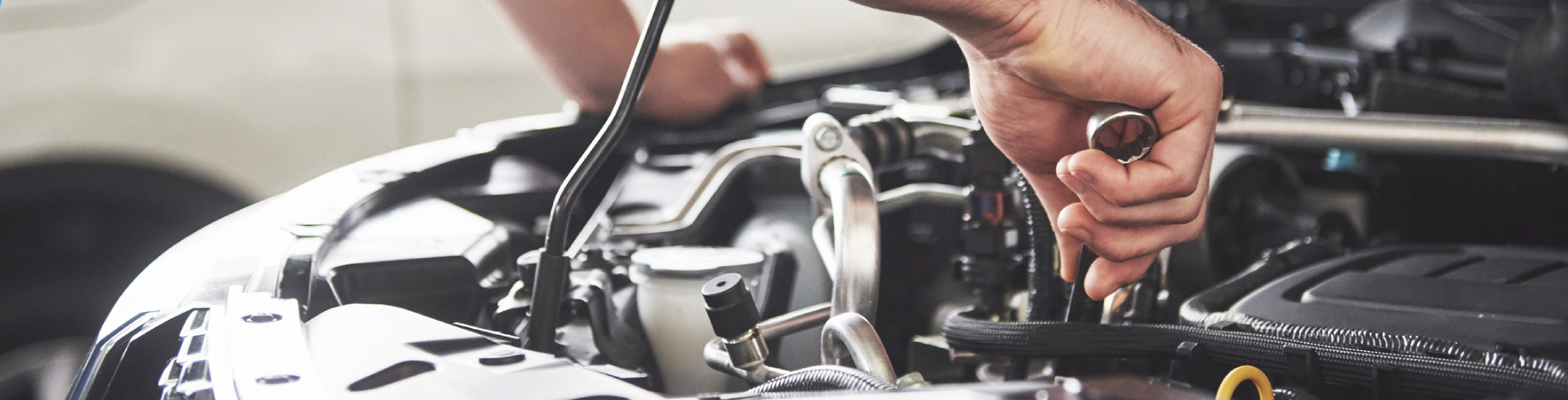
Expert Engine Repair for Audi Owners in Woodinville, WA
Audi engines are precision-built and long-lived when maintained correctly — the EA839 3.0T regularly clears 200,000 miles in European markets with proper service history. But the EA888 2.0T TFSI, which powers the A3, A4, A5, Q3, Q5, and TT in the US market, has several documented failure patterns that require attention before they become expensive. At Woodinville Sports Cars, engine repair is one of our most common services — and we have the VCDS diagnostic capability and hands-on Audi engine experience to diagnose correctly before recommending any repair.
Carbon Buildup on Audi TFSI Engines: What It Is and How We Fix It
Audi's TFSI engines use direct injection — fuel is sprayed directly into the combustion chamber rather than into the intake port. This eliminates the detergent effect that port injection provides on the intake valve stems and backs. Over 50,000 to 80,000 miles, combustion blow-by deposits accumulate on the intake valves, restricting airflow and causing rough idle, loss of power, hesitation at low RPM, and cold-start misfires.
The correct fix is walnut blasting — using a media blaster with crushed walnut shells to remove the carbon deposits from the intake valves while the intake manifold is removed. We perform intake valve cleaning with the correct blast media and pressures, vacuum the loosened carbon from the intake ports, and reinstall the manifold with new gaskets. The improvement in throttle response and idle quality is immediately noticeable on cars with significant buildup. We recommend this service every 60,000 miles on EA888 TFSI engines.
Audi Oil Consumption: Diagnosis and Repair
Some EA888 Gen 1 and Gen 2 engines — particularly those in the 2009 to 2013 production window — consume engine oil at a rate that owners find alarming. Consumption of one quart per 1,000 to 2,000 miles is not uncommon on affected engines. The cause is typically worn piston rings or valve stem seals that allow oil to enter the combustion chamber and burn off in the exhaust.
Diagnosing the consumption source correctly before committing to a repair is essential. We perform a cylinder leak-down test and inspect the PCV system before recommending internal engine work — a failed PCV valve can produce oil consumption rates similar to ring failure at a fraction of the cost.
3.0T and V8 Engine Repairs at Woodinville Sports Cars
The EA839 supercharged and turbocharged 3.0T engines — used in the A6, A7, A8, Q7, and S/RS variants — are mechanically robust but have specific maintenance requirements. The supercharger nose cone bearing is a known wear item on the supercharged 3.0T. The water pump on the 3.0T uses an electrically driven auxiliary pump in addition to the mechanically driven main pump — failure produces coolant loss that must be addressed before overheating damage occurs. For related Audi engine concerns, see our Audi oil leak repair page for seal and gasket issues, our Audi oil change page for correct fluid specifications, and our Audi check engine light page for engine fault code diagnosis.
Quick Takeaways
- The EA888 2.0T TFSI — the most common Audi engine in the US — has known issues with timing chain stretch, oil consumption, and carbon buildup on intake valves.
- Carbon buildup from direct injection is a maintenance issue, not a defect — walnut blasting the intake valves every 60,000 miles is the correct fix.
- Timing chain repairs on the EA888 should not be deferred — a stretched chain that jumps timing causes catastrophic engine damage with no warning.
- Audi 3.0T engines (EA839) are highly reliable with proper maintenance but have specific cooling and oil system needs at higher mileage.
- Woodinville Sports Cars performs all Audi engine repairs under a 24-month/24,000-mile warranty.
Master-Level Audi Engine Repair & Diagnostics in Woodinville
At Woodinville Sports Cars, our advanced powertrain mechanics deliver an elite alternative to the dealer for performance vehicle owners in:
Located at 12602 Northeast 178th Street, we are right around the corner from the Paradise Valley Conservation Area, keeping your specialized engine care highly accessible.
Frequently Asked Questions
What does walnut blasting cost for an Audi 2.0T?
We provide a written estimate before any work begins. The cost includes intake manifold removal, walnut media blasting of all four intake ports and valves, port vacuuming, and reinstallation with new gaskets. The improvement in driveability on a car with significant buildup is typically immediate and noticeable.
Is oil consumption on my Audi 2.0T normal?
Minor consumption — less than one quart per 5,000 miles — is within Audi's specification for TFSI engines. Consumption above that threshold warrants a PCV inspection and a leak-down test to identify the source before any internal engine work is recommended.
My Audi has 150,000 miles. Is it worth repairing the engine?
In most cases, yes. A well-maintained Audi with a documented service history and a single engine issue is a much better investment than replacing the car. We give you an honest assessment of the engine's overall condition alongside the specific repair estimate.
Does Woodinville Sports Cars perform Audi engine replacements?
Yes, including remanufactured and low-mileage used engine installations on A3, A4, A5, Q5, A6, and Q7. We source engines from vetted suppliers and perform a thorough inspection and fluid service before installation.