


 (425) 402-7878
 ASE-Certified Auto Mechanics
 2-year/ 24,000-mile Warranty
 Dealership-Level Equipment
 Free Loaner Cars Available
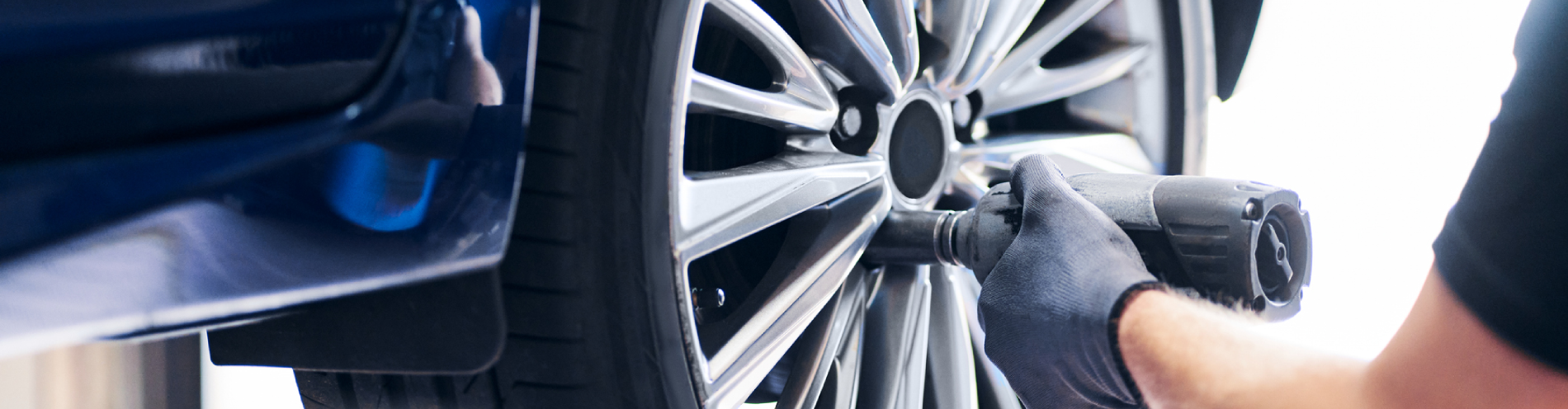
Woodinville’s Go-To Auto Shop for Porsche Tire Services
Porsche tire service carries a level of specificity that matches the vehicles themselves. The N-rating system — where N0 through N4 designate tires developed and approved for specific Porsche models — exists because Porsche validates each approved tire against the suspension geometry, PSM intervention thresholds, and handling balance of the specific car. The 911’s rear-biased weight distribution and staggered tire fitments create rotation constraints that require side-to-side swaps rather than conventional rotation. And the TPMS system requires PIWIS recoding after rotation, not a generic reset. At Woodinville Sports Cars, we handle all of these correctly.
911 Staggered Tire Fitments and Rotation
The 911 Carrera uses a staggered tire fitment — narrower tires on the front axle, significantly wider tires on the rear — that reflects the rear-engine weight distribution and the power delivery requirements of the flat-six. On the 992 Carrera, front tires are typically 245-width and rears are 305-width. These fitments are not interchangeable between axles — conventional front-to-rear rotation is not possible.
The correct rotation for 911 staggered fitments is a side-to-side swap on the same axle: the driver's side front moves to the passenger's side front, and similarly at the rear. This requires demounting and remounting each tire on the opposite wheel. It promotes even tread wear across the contact patch without requiring different tire widths to cross axles. Each rotation is followed by PIWIS TPMS recoding. Owners told by tire shops that 911 tires cannot be rotated are receiving incorrect advice.
TPMS Recoding After Tire Service
Porsche's TPMS uses direct-pressure sensors with individual IDs registered to specific wheel positions in the TPMS control module. After any rotation or wheel set change, the sensors move to new positions — if the TPMS module is not updated through PIWIS to reflect the new positions, the system reports warnings from the wrong corners. Generic TPMS reset tools that work on other European vehicles do not correctly access the Porsche TPMS module — PIWIS is required.
We recode TPMS sensor positions through PIWIS after every rotation or wheel set change as a standard part of tire service. On 911 and 718 models with the Sport Chrono tire pressure display integrated into the instrument cluster, we verify that the correct pressure values are displayed for each wheel position after recoding.
GT3 and GT4 Tire Selection
The 911 GT3, GT3 RS, 718 GT4, and 718 Spyder specify specific tire approvals that are validated for both street and track use. Michelin Pilot Sport Cup 2 R and Pirelli P Zero Trofeo R tires carry the Porsche N-rating for GT applications and are the OEM specification on most GT track configurations. Substituting non-approved tires on a GT car for track use affects lap times, stability at the limit, and may affect the vehicle's behavior in ways that are specifically not validated by Porsche's engineers. We stock and order GT-specification tires for all GT model applications. For related Porsche chassis services, see our Porsche suspension repair page for alignment and suspension service, our Porsche brake repair page for brake service that often accompanies tire replacement, and our Porsche scheduled maintenance page for complete tire rotation intervals.
Quick Takeaways
- Porsche N-rated tires (N0, N1, N2, N3, N4) are developed specifically for Porsche suspension geometry — non-N-rated substitutes may affect PSM behavior and handling balance.
- 911 Carrera models use staggered tire fitments (narrower front, wider rear) — conventional front-to-rear rotation is not possible; only same-axle side-swaps are performed.
- Porsche TPMS uses direct-pressure sensors requiring PIWIS recoding after any rotation or wheel change — generic TPMS reset tools do not access the Porsche TPMS module correctly.
- GT3 and GT4 models specify specific tire compounds approved for track use — substituting non-approved tires affects the lap timer and safety margins on circuit.
- Woodinville Sports Cars handles Porsche tire service, TPMS coding, and four-wheel alignment for all models.
Professional Porsche Tire Service, Balancing & Alignment
Ensure maximum grip and even tread wear with our specialized mounting, balancing, and precision alignment services. We cater to automotive enthusiasts in:
Our modern facility at 12602 Northeast 178th Street is just down the road from the Tolt Pipeline Trail and the Downtown Woodinville Shopping Center, letting you easily leave your vehicle and stay on track with your day.
Frequently Asked Questions
Why does my Porsche 911 TPMS warning come on after a tire rotation?
The sensors moved to new wheel positions during the rotation but the TPMS module was not updated through PIWIS. A PIWIS recode of the sensor positions clears the warning and correctly maps each sensor. This is a standard part of every rotation we perform.
How often should Porsche 911 tires be rotated?
Every 5,000 to 7,500 miles for staggered fitments, performing side-to-side same-axle swaps. Consistent rotation keeps tread wear even across the contact patch and maximizes tire life. GT models with track-focused compounds may see faster wear rates and benefit from more frequent rotation assessment.
Does Woodinville Sports Cars sell and install tires for Porsche models?
We can source N-rated and non-N-rated tires for all Porsche models and handle the complete service, including mounting, balancing, PIWIS TPMS coding, and four-wheel alignment. We do not maintain large in-store inventory, but we can order Porsche-specification tires with typical lead times of one to two business days.
Can Porsche Cayenne tires be rotated normally?
Yes. The Cayenne does not use staggered fitments — all four tires are the same width — and can be rotated in the conventional cross-rotation pattern. PIWIS TPMS recoding is still required after every rotation.