


 (425) 402-7878
 ASE-Certified Auto Mechanics
 2-year/ 24,000-mile Warranty
 Dealership-Level Equipment
 Free Loaner Cars Available
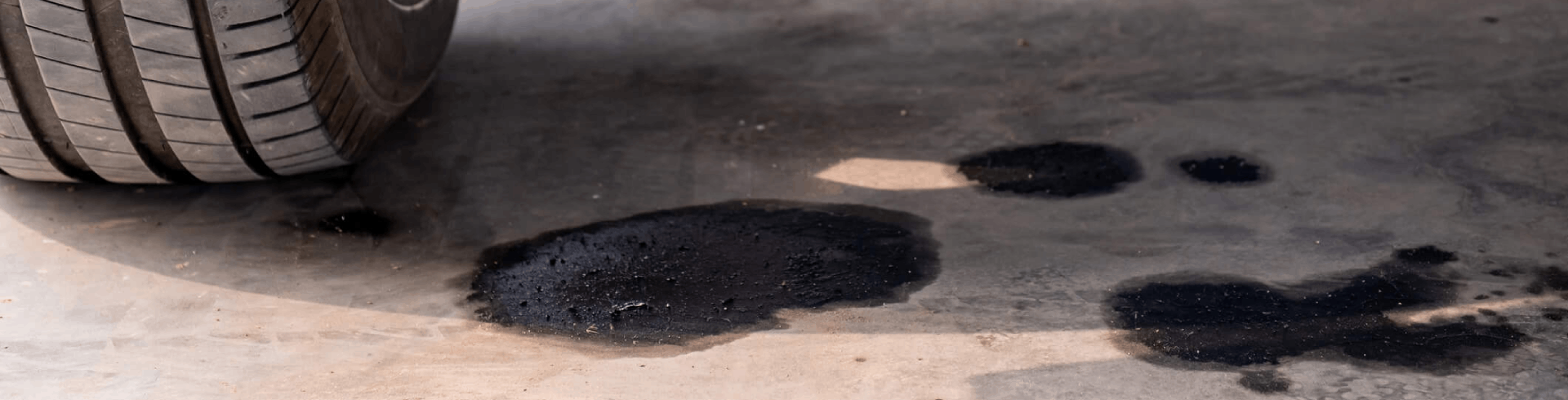
That Oil Spot Under Your VW Isn’t Nothing — Woodinville’s Fix
You back out of the garage and there it is: a dark spot on the concrete, or that hot-oil smell after a drive. On a Volkswagen, that’s rarely “a little seepage.” It’s a gasket doing what EA888 gaskets do around 80,000 to 100,000 miles. Ignore it, and it spreads. We track down and repair VW oil leaks in Woodinville the right way — at the actual source, not by throwing a fresh gasket at the first wet spot we happen to see and hoping the puddle stops coming back. Since 2004, that’s meant a lot of Jettas, GTIs, Tiguans, and Passats going home dry.
Quick Summary: Key Takeaways
- We find the real source: oil migrates, so we clean, run the engine, and trace the leak to its true origin before quoting.
- Common VW leak points: valve cover gasket, oil filter housing gasket, cam chain tensioner seal, and rear main seal.
- Why it matters: oil dripping onto a hot exhaust or timing components turns a cheap gasket into a fire risk or a big repair.
- Done with OEM seals: correct-spec gaskets and proper torque, not a quick smear of sealant.
- The safety net: every repair carries a 2-year/24,000-mile warranty and free loaner cars.
The Leak Points We See Most on EA888 Engines
Volkswagen's EA888 turbo four is a strong engine with a few predictable weep points. The valve cover gasket hardens and leaks — often onto the exhaust, which is where that burning smell comes from. That's the usual first offender. The oil filter housing gasket is another repeat offender, dripping down the back of the block. We also reseal cam chain tensioner gaskets and, on higher-mileage cars, the rear main seal behind the transmission. Each one looks similar as a stain on the driveway. Each one is a different job. Knowing which is which before we start is the difference between a fair bill and a runaround.
Why a Small Leak Turns Into a Big Problem
A slow drip is easy to ignore until it isn't. Oil on a hot exhaust manifold smokes, stinks, and — worst case — can catch. Worse, oil creeping into the timing area or onto the serpentine belt quietly shortens the life of parts that cost many times what a gasket does, and a VW that's run low for months on an unnoticed leak can grind through bearing and cylinder wear you simply can't reseal away. Fix the leak while it's a gasket. Don't wait until it's a tow.
OEM Seals, VCDS, and a Warranty That Backs It
We repair VW leaks with OEM or OEM-equivalent gaskets, torqued to spec, and we scan the car with VCDS to rule out related faults while we're in there. Every repair is itemized before we start and backed by a 2-year/24,000-mile warranty. Fixed once. Take a free loaner while your VW is up on the lift. Our mechanics are ASE-certified, and the 4.8 rating we hold across 220-plus Google reviews came from doing leaks like these once, correctly, and standing behind them.



Frequently Asked Questions
What are the most common oil leaks on a Volkswagen?
On the EA888 engine, the valve cover gasket and oil filter housing gasket lead the list, followed by the cam chain tensioner seal and, on higher-mileage cars, the rear main seal. Each is a different repair.
Is a small VW oil leak safe to ignore for a while?
It's risky. Oil on a hot exhaust can smoke or catch, and oil on belts and timing components shortens their life. A gasket caught early is far cheaper than the damage a neglected leak causes.
Why does my VW smell like burning oil but not drip much?
That usually means oil is leaking onto the hot exhaust and burning off before it reaches the ground — commonly a valve cover gasket. It still needs repair, even without a big puddle.
Where can I get a VW oil leak repaired near Woodinville, WA?
Woodinville Sports Cars at 12602 NE 178th Street has repaired Volkswagen oil leaks since 2004, using OEM seals and VCDS diagnostics. Drivers come to us from Bothell, Kirkland, Cottage Lake, and across the Eastside.
Schedule Your VW Oil Leak Repair
Stop the Drip Before It Spreads. If your VW is marking its spot in the driveway or filling the cabin with a hot-oil smell, don’t top it off and hope. Bring it in, and we’ll find where it’s really coming from. We’re at 12602 NE 178th Street, Woodinville, WA 98072, open Monday through Friday, 7:30 a.m. to 5:00 p.m. Book online and we’ll find the source.
- Schedule Your Service
Our Shop Blog
Pre-Purchase Inspections in Woodinville: What to Check on a Used BMW or Audi
Before You Drive the Cascade Loop This Summer, Check Your Brakes
European Car A/C Repair for Hot Summer Days in Woodinville

BMW Cooling System Inspection Before Summer in Woodinville
Mercedes-Benz Maintenance in Woodinville: What Your Vehicle Needs Each Season
Your Audi’s Check Engine Light Is On in Woodinville — Here’s What It Actually Means
Reasons Behind Crankcase Ventilation Valve Malfunctions in BMW from Woodinville Experts

What Causes Rough Idling In Audi Vehicles?

Why Your Mini Cooper Feels Less Responsive: Tire Problems to Watch Out For

Is An Audi Pre-Purchase Inspection Worth It For Woodinville Drivers

Where to Go in Woodinville for Audi Digital Dashboard Repair
Leading Garage in Woodinville for Mini Head Gasket Replacement
Resolving Electrical Problems Caused by a Faulty Mercedes Alternator
When to Replace Your Audi EGR Valve: Key Indicators

Avoid Engine Problems with Timely Volkswagen Ignition Coil Repair

What Causes Crank Seal Oil Leak Problems In Your Mini

Mini Radiator Expansion Tank Failure: Common Symptoms and How to Fix It

Prevent ABS Module Failure and Keep Your VW’s Braking System Safe

Top Woodinville Garage for Audi Valve Cover Oil Leak Repairs
