


 (425) 402-7878
 ASE-Certified Auto Mechanics
 2-year/ 24,000-mile Warranty
 Dealership-Level Equipment
 Free Loaner Cars Available
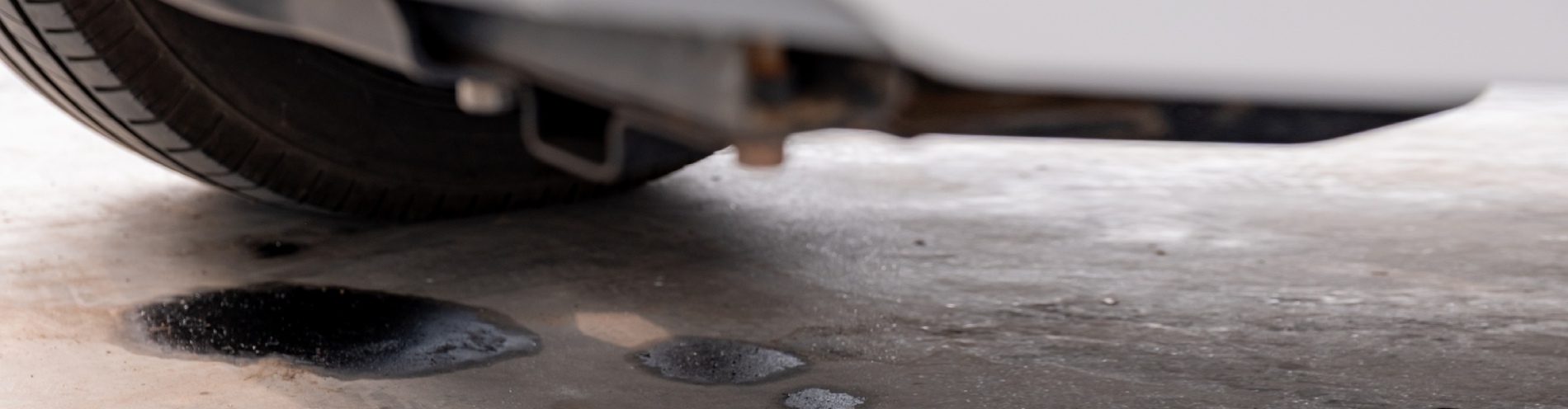
Porsche Leaking Oil? Get it Fixed Fast
Porsche flat-six engines — whether air/oil-cooled in the 993 or water-cooled in the 996, 997, 991, and 992 — develop oil leaks at predictable locations as mileage accumulates. The 997 rear main seal is perhaps the most discussed high-mileage Porsche oil repair; the valve cover gaskets on all flat-six generations are frequent seep points at 80,000 miles and beyond; and the cam adjuster solenoid seals on current 9A and 9A2 engines produce leaks that are easily confused with valve cover gasket leaks from a visual inspection. Getting the source right before starting any repair is essential — and requires UV dye tracing, not just a visual look at where the oil appears. At Woodinville Sports Cars, we identify the exact source before we quote any repair.
Valve Cover Gasket Leaks on Porsche Flat-Six Engines
The flat-six engine in the 997, 991, and 992 uses a valve cover on each cylinder bank — two covers per engine — with rubber perimeter gaskets that harden over time. A seeping valve cover gasket on the 911 allows oil to run down the side of the engine and onto the exhaust headers, which sit directly below the engine on the 911's mid-rear layout. Oil contact with the exhaust headers produces a burning oil smell after highway driving — the characteristic "hot oil smell" that 997 owners associate with high mileage.
Valve cover gasket replacement on the flat-six requires removing the respective intake plenum section to access the cover on that cylinder bank. Both banks should be evaluated simultaneously — they typically fail at similar mileage, and returning for the second cover is nearly the same labor as doing both at once.
Cam Adjuster Solenoid Seal Leaks on 9A and 9A2 Engines
The VarioCam Plus cam adjuster solenoids on the current 9A and 9A2 flat-six engines are mounted in the cylinder heads and sealed with O-rings. When these O-rings fail, oil leaks at the base of the solenoid body and runs down the side of the engine. The drip path on the flat-six can look nearly identical to a valve cover perimeter leak from a visual inspection, because both originate at the top of the engine and run the same direction.
UV dye tracing — injecting a small quantity of fluorescent dye into the engine oil, running the engine, and inspecting under UV light after the dye has been carried to the leak point — distinguishes solenoid seal leaks from valve cover gasket leaks definitively. We perform UV dye tracing as a standard part of any Porsche oil leak diagnosis where the source is not immediately and unambiguously obvious.
997 Oil-Coolant Heat Exchanger Internal Leaks
The 997 Carrera uses an oil-to-coolant heat exchanger mounted on the engine to regulate oil temperature. At high mileage, the internal separator in this heat exchanger can fail, allowing engine oil and coolant to mix at the heat exchanger interface. The symptom is a milky or caramel-colored residue on the oil filler cap and elevated copper particles in oil analysis. This is not an external oil leak — the contamination is internal — but it is equally serious. Continued operation with oil-coolant mixing causes accelerated bearing wear from the diluted oil and damage to the cooling system from the oil contamination. We include heat exchanger evaluation in our oil service for high-mileage 997s. For related Porsche engine services, see our Porsche engine repair page for 997 cooling and IMS service, our Porsche oil change page for oil analysis on M96/M97 engines, and our Porsche check engine light page if oil leaks have triggered fault codes.
Quick Takeaways
- The 997 rear main seal (RMS) is a well-documented high-mileage leak — a significant repair requiring gearbox removal on the 911’s rear-engine layout.
- Valve cover gasket leaks on the M96, M97, and 9A flat-six are common at high mileage — oil reaches the exhaust headers on the 911 and produces a burning smell after driving.
- Cam adjuster solenoid seal leaks on current 9A and 9A2 flat-six engines are frequently mistaken for valve cover leaks — UV dye tracing confirms the actual source.
- The 997 coolant-to-oil heat exchanger develops internal leaks that mix oil and coolant — not a standard external oil leak but equally serious.
- Woodinville Sports Cars identifies the exact Porsche oil leak source before recommending any repair.
Specialized Porsche Oil Leak Detection & Repair
Protect your engine and your garage floor by addressing leaks early with our model-specific diagnostic tools. Our independent shop is the ideal dealer alternative for drivers in:
Located at 12602 Northeast 178th Street, we sit just down the street from the Highway 202 route and Bothell-Woodinville Road, making it easy to drop off your keys and stay on the go.
Frequently Asked Questions
How expensive is a 997 rear main seal replacement?
We provide a written estimate before any work begins. The cost reflects the gearbox removal labor — a substantial job on any 911. We strongly recommend evaluating the clutch, gearbox input shaft seal, and flex disc while the gearbox is out, as the labor overlap makes addressing these items together significantly more cost-effective than separate appointments.
My Porsche 997 smells like burning oil after highway driving. What is causing it?
This is almost certainly valve cover gasket seepage onto the exhaust headers — the most common high-mileage oil leak symptom on the 997. Both cylinder banks should be inspected. UV dye tracing confirms whether it is the valve cover gasket or a cam adjuster solenoid seal.
Can I drive my Porsche with an oil leak?
Depends on the severity. A slow valve cover seep is not immediately dangerous but should be addressed within a service interval or two. A rear main seal leak that is dropping oil onto the exhaust or road is more urgent. Oil-coolant mixing from a heat exchanger failure should not be driven at all — the diluted oil damages bearings rapidly.
Does Woodinville Sports Cars perform Porsche Cayenne oil leak repairs?
Yes. Cayenne oil leaks most commonly originate at the valve covers (3.6 V6 and 4.8 V8), cam adjuster solenoid seals, and the transfer case seal on 4WD variants. We perform UV dye tracing to identify the exact source before recommending any repair.