

 (425) 402-7878
 ASE-Certified Auto Mechanics
 2-year/ 24,000-mile Warranty
 Dealership-Level Equipment
 Free Loaner Cars Available
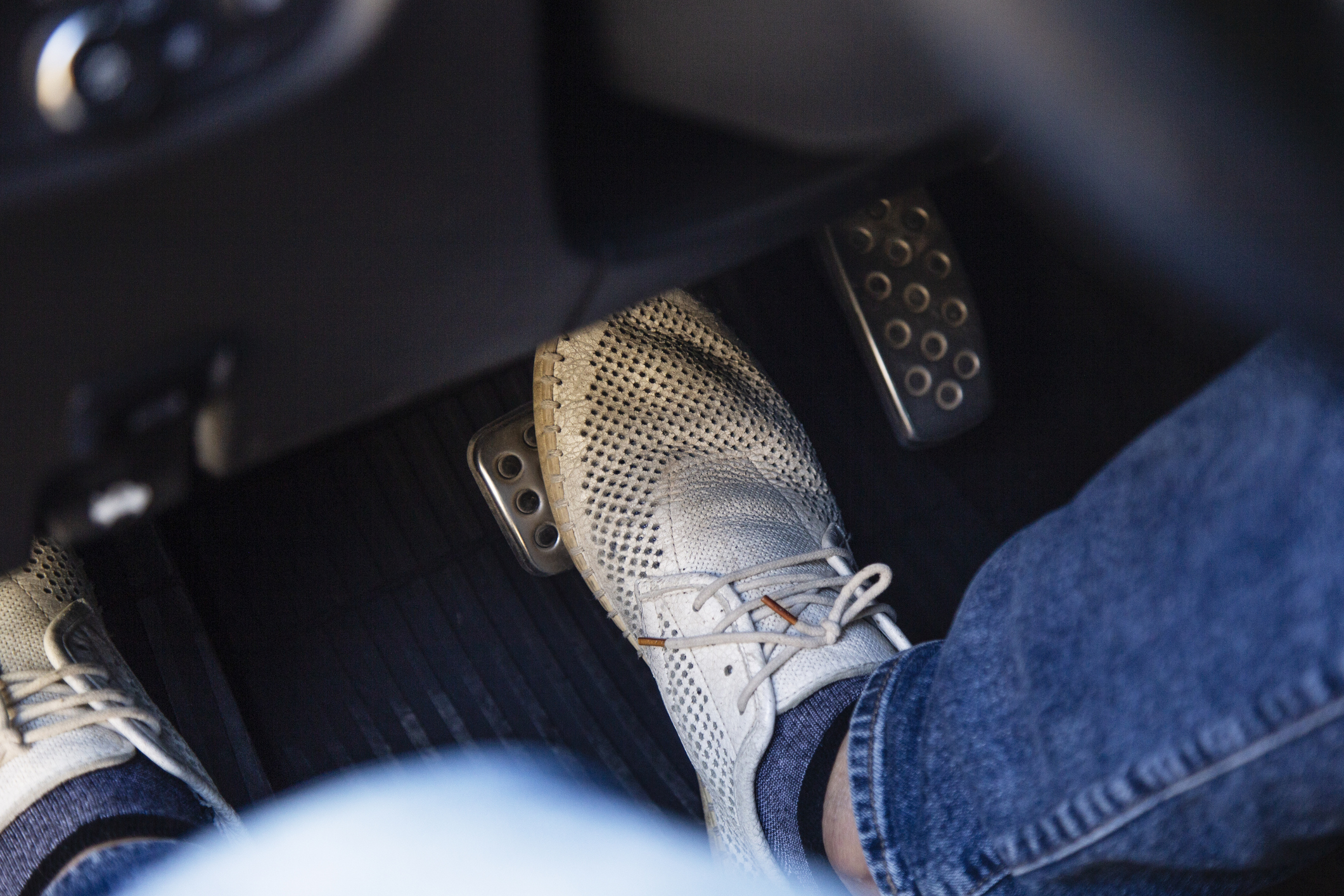
The Cascade Loop is one of the best drives in Washington — Stevens Pass, the North Cascades Highway, the long grades down toward Leavenworth. Beautiful, and brutal. It’s also one of the hardest things you can do to a set of brakes, because miles of downhill in summer heat cook a system that felt fine around town.
If you’re heading out of Woodinville for a mountain loop, a quick brake check first is worth every minute. Fade on a pass descent is the kind of surprise nobody wants. Check first. Here’s what to look at before you go.
Quick Summary: Key Takeaways
- Mountain descents cook brakes: Long downhill grades build heat fast, and heat is what causes brake fade.
- Old brake fluid is the weak link: Fluid absorbs water over time, drops its boiling point, and can fade on a long descent.
- Know the warning signs: A soft or low pedal, squealing, grinding, or a pulsing brake means get it checked now.
- Downshift, don’t ride the brakes: Engine braking on the descent to Leavenworth saves your pads and rotors.
- A summer check is cheap insurance: A brake inspection before the trip beats a scare on Stevens Pass.
Why the Cascade Loop Is So Hard on Brakes
Around Woodinville, your brakes barely get warm. On the Cascade Loop, they never cool off. No recovery. Long descents off Stevens Pass on US 2, or down the North Cascades Highway on SR 20, ask the brakes to shed heat for miles at a time.
That sustained heat causes brake fade — the point where hot pads and boiling fluid stop gripping the way they should. It sneaks up on you. A European car with worn pads or old fluid can go soft at the worst possible moment, on a downhill curve above a long drop-off with a truck riding your bumper.
Old Brake Fluid Is the Part People Forget
Brake fluid is hygroscopic, which is a fancy way of saying it soaks up moisture from the air over time. Water in the fluid lowers its boiling point, and on a long mountain descent that fluid can literally boil until the pedal goes soft or drops to the floor. That’s the nightmare.
Most European makers call for a brake fluid flush every two years, regardless of mileage. Two years, max. If you can’t remember your last one, that’s your answer. Fresh fluid is the cheapest safety upgrade you can make before a mountain trip.
The Warning Signs You Shouldn’t Drive Into the Mountains
Your car tells you when the brakes are tired. Listen for it. You might feel a pedal that sinks toward the floor, hear a squeal that turns into a grind, or catch a shudder through the pedal when you slow from speed that usually points to a warped rotor.
Any one of those is a reason to get checked before you leave. Brakes matter more than most parts — in NHTSA’s crash-causation study, brakes were the reason in about 22 percent of crashes where the vehicle was at fault. A pass descent is the wrong place to test a marginal system. Don’t risk it.
How to Drive the Passes Without Frying Your Brakes
Technique saves brakes. On the descent toward Leavenworth or down into the Skagit Valley, drop the transmission into a lower gear and let engine braking hold your speed instead of dragging the pedal the whole way. Brake firmly to slow, then release and let things cool, rather than riding the brakes continuously.
Give yourself room behind other cars so you’re not reacting to every tap of their brake lights. Leave space. Smooth and early beats hard and late on a mountain grade.
What We Check Before a Mountain Trip
We measure pad thickness, inspect the rotors for scoring and runout, and test the brake fluid’s moisture content and boiling point. It takes about an hour. If the fluid is old, we flush it and refill with the correct spec for your BMW, Audi, Mercedes, MINI, Porsche, or VW. We also check the flex lines and calipers, since a sticking caliper builds heat all on its own.
Most brake work is a same-day or next-day job. Fast turnaround. We’re an independent European specialist right here in Woodinville, and qualifying repairs carry our 2-year, 24,000-mile warranty.
Why Eastside Drivers Trust Woodinville Sports Cars
We’ve serviced European cars in Woodinville since 2004, brake work before summer trips is a regular ask, and drivers from Redmond, Monroe, Kirkland, and around the wine country bring us the cars they trust for the long drives. We know these roads. Dealer-level tools, honest recommendations, free loaner cars while we work.
We tell you what needs doing and what can wait. Straight answers. Before a Cascade Loop run, we’d rather over-check the brakes than under-check them.
Frequently Asked Questions
Q: How do I know if my brakes are ready for a mountain drive?
A: Look and feel for the warning signs first: a soft or low pedal, squealing or grinding, and any pulsing when you slow down. Then consider the brake fluid, which should be flushed roughly every two years. If any sign is present or the fluid is overdue, get a brake inspection before you head into the passes.
Q: What causes brake fade on a long downhill?
A: Fade happens when the brakes get too hot to work properly. Sustained downhill braking heats the pads and can boil old, moisture-laden brake fluid, and both reduce stopping power. Fresh fluid, good pads, and using engine braking to control your speed all help keep the system cool enough to stay sharp.
Q: Should I use a lower gear going down a mountain pass?
A: Yes. Shifting into a lower gear lets the engine help hold your speed so you are not dragging the brakes the entire descent. That keeps brake temperatures down and greatly reduces the chance of fade. Brake in firm, short applications rather than riding the pedal.
Q: How often should European car brake fluid be changed?
A: Most European manufacturers recommend a brake fluid flush every two years regardless of mileage, because the fluid absorbs moisture over time. Before a trip with long mountain descents, fresh fluid is especially worthwhile. We test the fluid’s boiling point so you know exactly where yours stands.
Get a Brake Check Before You Head for the Passes
Planning a Cascade Loop run this summer? Bring your car in for a brake inspection before you tackle Stevens Pass.
Woodinville Sports Cars — 12602 NE 178th Street, Woodinville, WA 98072
Hours: Monday–Friday, 7:30 AM – 5:00 PM
Website: woodinvillesportscars.com
Recent Comments